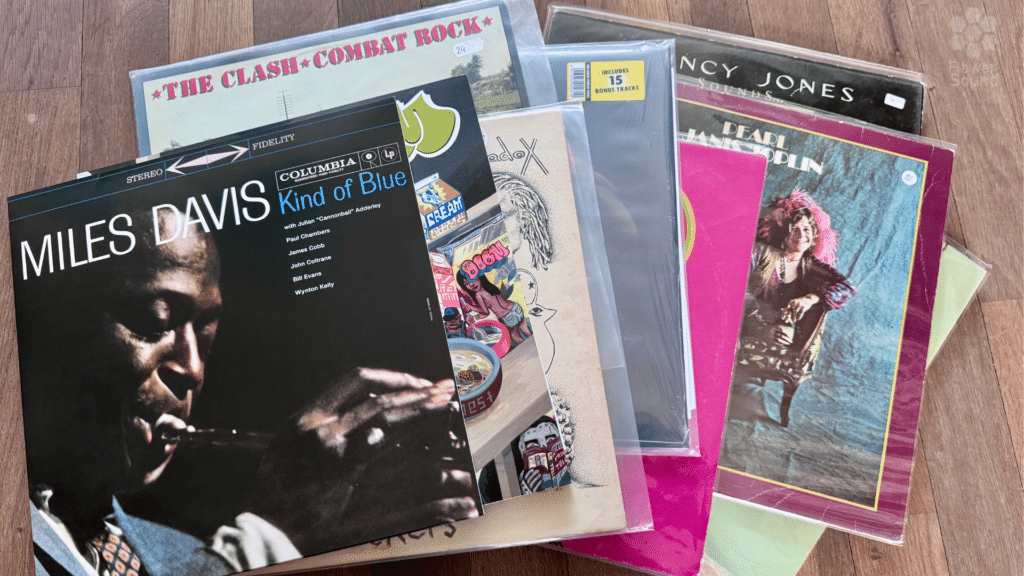
I still remember the first cassette tape I ever got. It was a mix of soundtracks of popular movies at the time. Not long after that, the Cure and lots of mix tapes. The cassette tapes I owned, I must’ve played them thousands of times on my Walkman, rewinding certain songs just to hear that single. This was the beginning of a lifelong affair with collecting music, which has taken many forms, disappeared for a while, and then returned.
CDs
The real game-changer was CDs. Clean, futuristic, and perfectly portable, they became the heart of my music collection. I had a lot of them and enjoyed playing them.
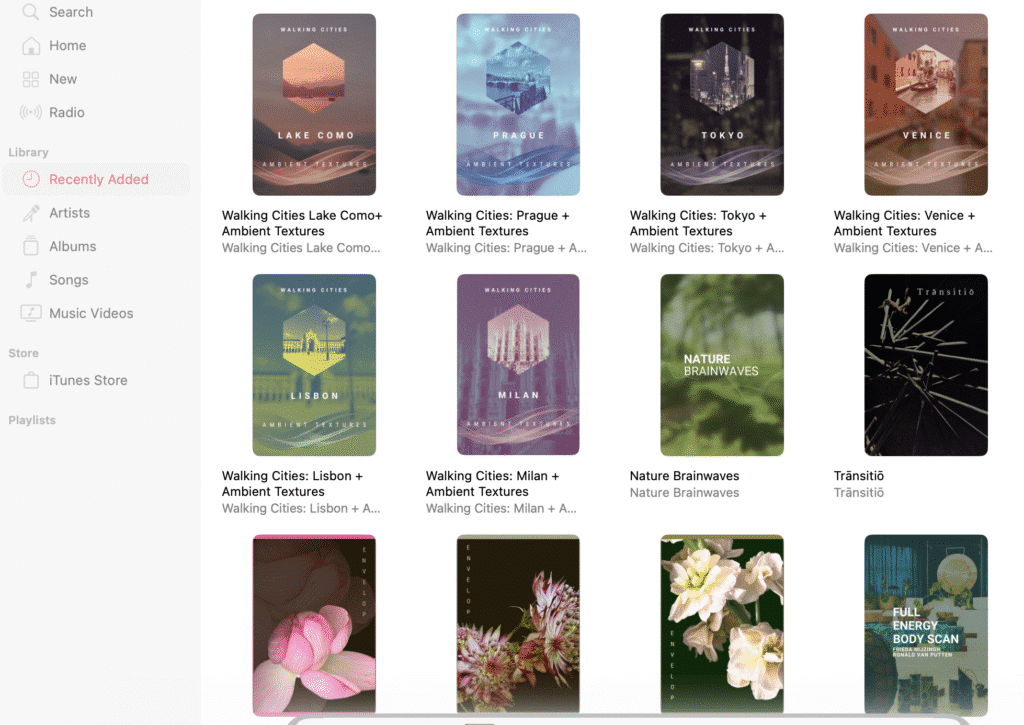
But eventually, those CDs made their way onto my computer. I ripped them and added them to iTunes. It felt like a new kind of ownership, and I also rediscovered some old music by going through my library.
Streaming
Then came streaming. At first, it was convenient. Everything I wanted was available instantly. Just press and play. But over time, I began to notice something unsettling: I didn’t own anything anymore, and all my MP3s were suddenly not recognized and disappeared from my hard drive in between all the updates. Much later, I also discovered how little artists earned from streaming. The biggest reality check came from the first album I published. We had almost 100.000 streams and we could buy a cappuccino or 2.
And something in me shifted.
Next up: Part 2 (available Wednesday)
Elise de Bres
Related reading from the journal
- The Power of Owning Your Sound: Why Offline Listening Matters Part 1 – why access through a subscription is not the same as having the file.
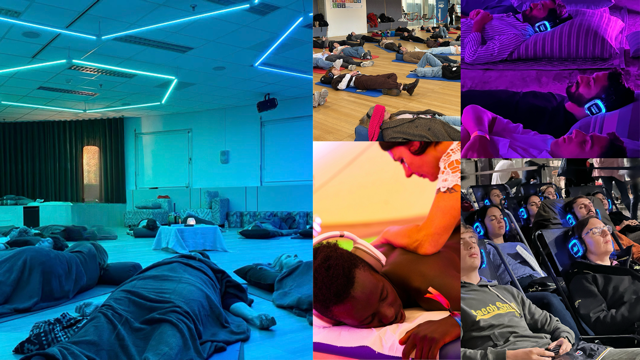
- Why Offline Listening Is Becoming a Movement – device-free gatherings and listening without anything competing for attention.