Perception is where it really starts
Written by Elise de Bres
I recently attended a webinar by the Danish Sound Cluster, hosted by Jeppe Lindegaard. The session featured Nigel Oseland from Workplace Unlimited an environmental psychologist, workplace consultant, and author who has spent decades researching how people experience sound in offices, restaurants, and other shared environments.
Early on, Nigel made a remark that immediately resonated with me: “Noise is the new smoking. It’s a comparison I’ve written about before at Flower of Sound on research showing how continuous noise exposure affects health, stress, sleep, and cognitive performance often invisibly, and often without consent. Much like second-hand smoke once did (You can read that earlier piece here)
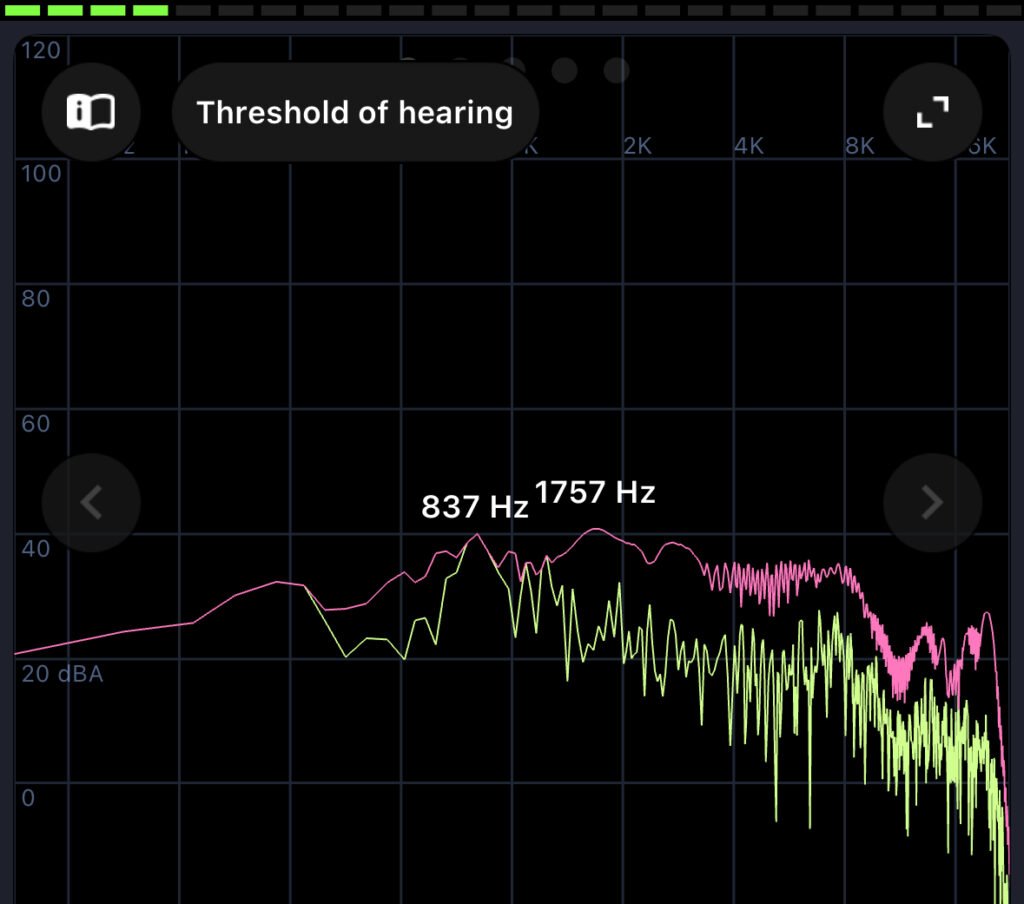
Noise isn’t about volume: it’s about perception
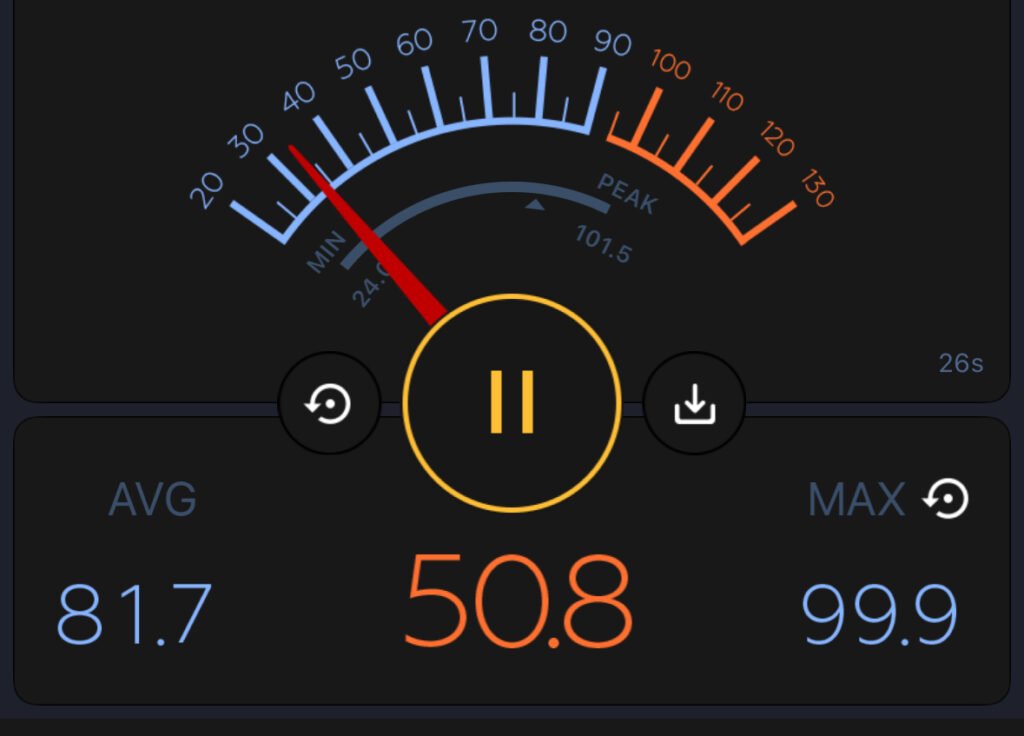
One of the most important points that was made is that noise cannot be reduced to a decibel level. Sound level measurements account for only a small part of why people find something disturbing. Noise, by definition, is unwanted sound, and “unwanted” is, besides a decibel level, a psychological and physiological response.
The same sound can be neutral in one context and deeply irritating in another. A dripping tap might go unnoticed during the day, yet become unbearable at night. The sound hasn’t changed; our perception and nervous system state have. Nigel’s research shows that factors such as personality, context, activity, expectations, and sense of control shape how people experience sound. This aligns strongly with what we see in our own work: two people can be in the same acoustic environment, or listen to the same sound, yet have completely different reactions.
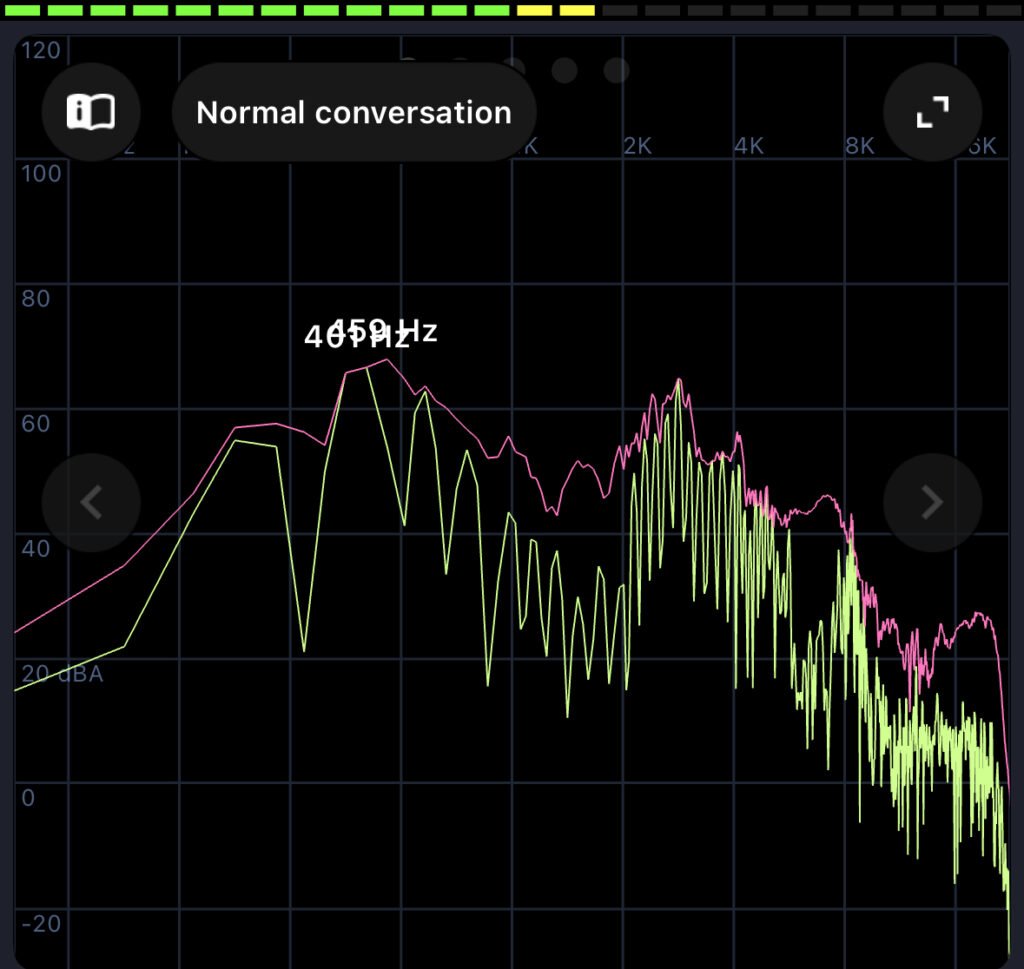
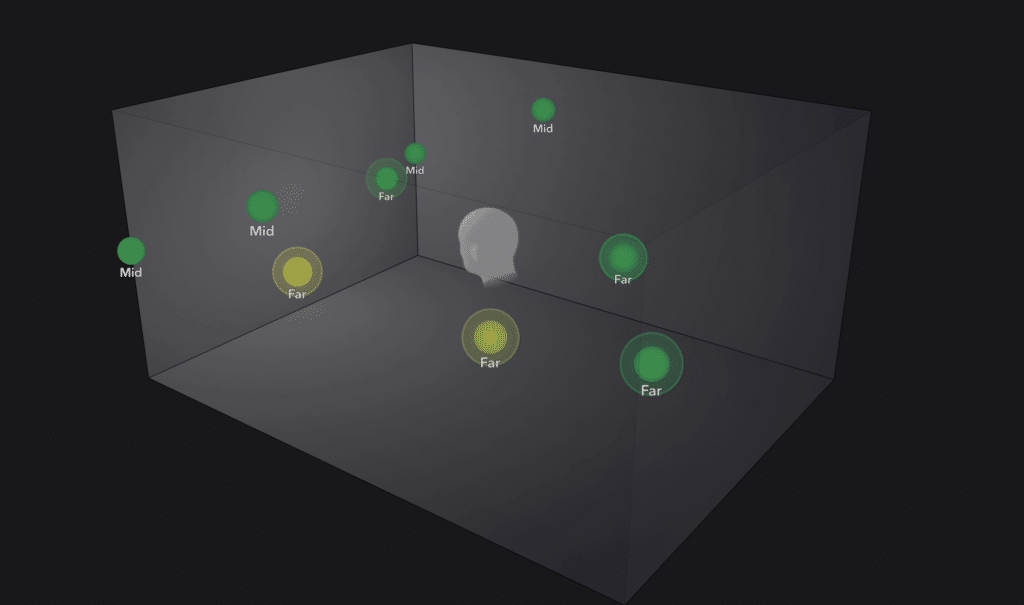
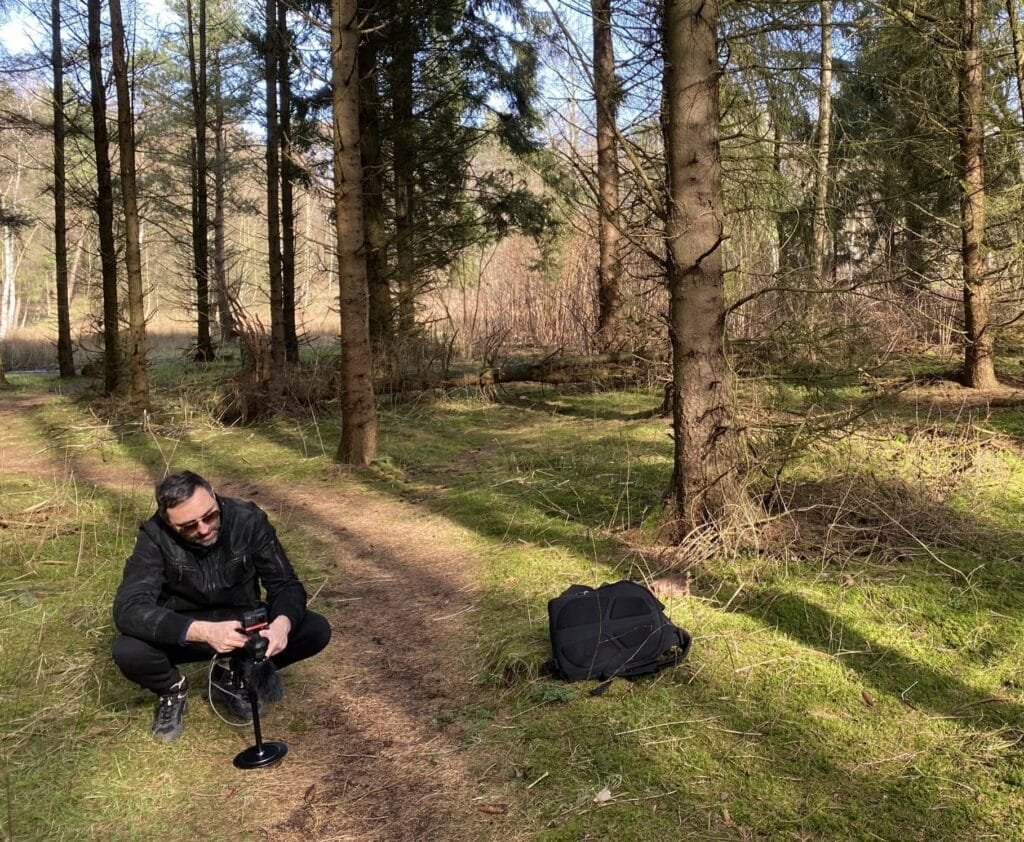
At Flower of Sound, we work deliberately with the perception and effect of sound. That doesn’t mean only reducing noise; it also means intentionally introducing sound. Nature soundscapes, ambient environments, and spatial audio can be deeply calming and restorative for many people. Research consistently shows that natural sounds help regulate stress and support focus and well-being. But there is an important nuance. Even beneficial sounds are not universally beneficial. Every sound is still filtered through personal perception. Which means that each sound, frequency, or music choice has a different effect on each of us.
Purpose-added sound versus imposed sound
There’s a crucial difference between sound that is chosen and sound that is imposed. This is where choice and control over your own sound environment come into play. A radio playing in a workspace, music selected by one colleague for everyone, or constant background noise leaves people with only one coping mechanism: headphones. And that, as Nigel pointed out, undermines the very idea of shared and open spaces. By contrast, purpose-added sound works best when it exists in dedicated spaces, places you can enter or leave freely. This is where zoning becomes essential.
In practice, that means creating distinct zones, such as:
- Pure quiet and focus zones
- Collaboration zones
- Intentional sound zones
Sound, choice
What this webinar reinforced for me is that sound, and therefore noise, is never neutral. It’s a design, it’s cultural, it’s about controlling one’s own environment, and most of all, it’s a perceptual one.
That balance between silence and sound, between stimulation and rest, is where sound stops being noise. And where perception becomes the starting point for better design.
If you are interested in this topic tyou might like to read Searching for Silence
Images are screenshots of the Decibel X app in the Apple Store.