Written by Elise de Bres
White noise has had a good run. It’s been the go-to recommendation for sleep and focus for years, and there’s real logic behind it. But the research on natural sounds has been catching up and the comparison is more interesting than most people realise. I have also used both. And we also sell both here in the shop.
Here’s an honest look at both, what each does well, and where they differ.
What white noise actually does
White noise works through masking. It contains all audible frequencies at roughly equal intensity, which means it smooths out the acoustic environment, covering sudden sounds that jolt you awake or break your concentration. White noise doesn’t eliminate these, but it reduces the contrast between background and spike, making them less disruptive. In a way, your sound environment becomes smoother and easier to handle.
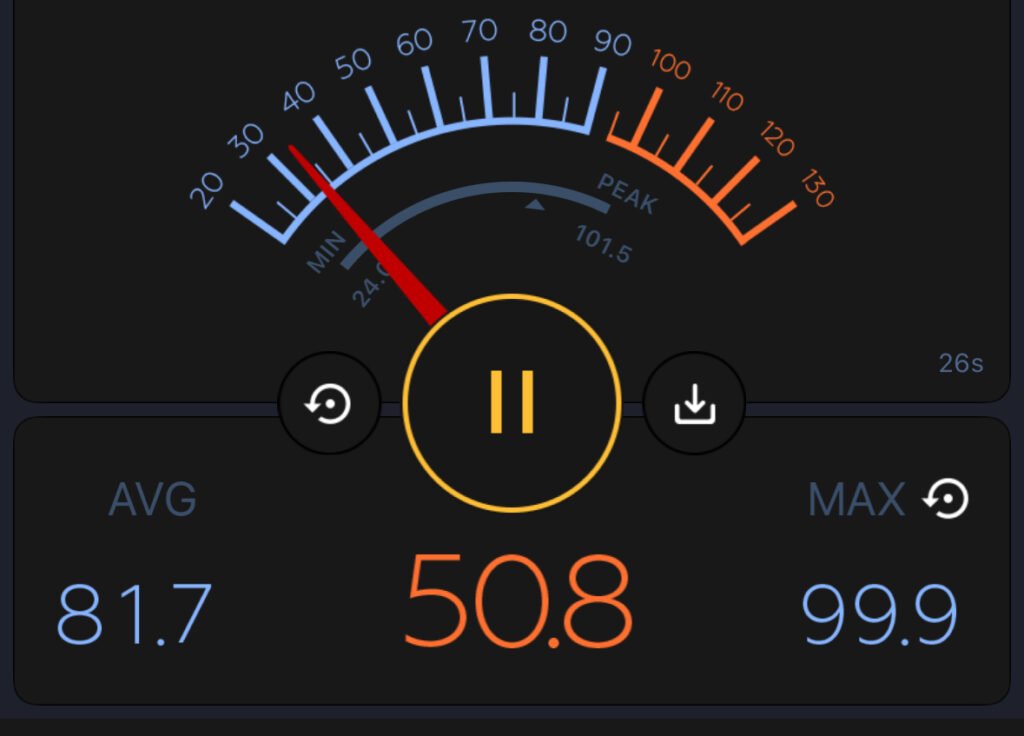
That mechanism works. There’s decent evidence that white noise reduces sleep onset time and improves sleep in noisy environments, particularly for infants and light sleepers in urban settings. Its limitation is also its mechanism: white noise is neutral. It masks, but it doesn’t actively move your nervous system in any direction. As with any audio, volume levels during extended listening matter. The WHO recommends keeping personal audio exposure below 85 dB relevant here because white noise is often played at higher volumes to achieve its masking effect. Use it to fall asleep rather than throughout the night, and keep the volume moderate.

What rain sounds do differently
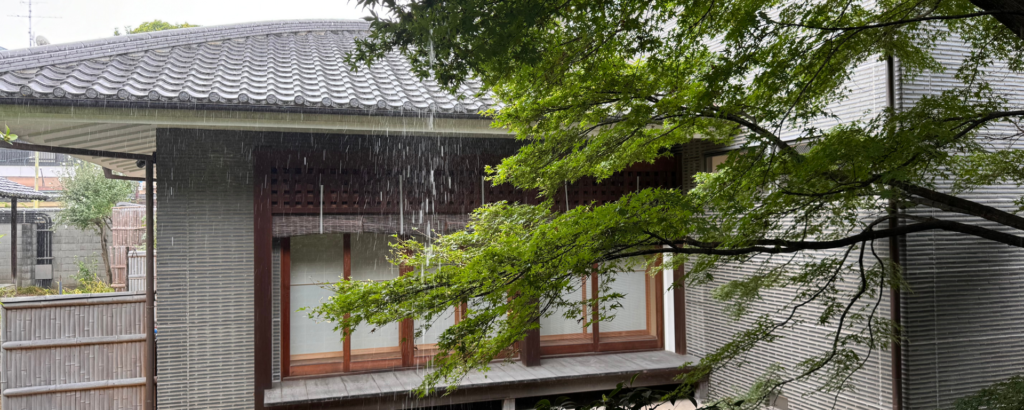
Rain sounds mask environmental noise too they’re broadband, covering a wide frequency range and working similarly to white noise as an acoustic screen. But they do something beyond masking white noise.
A 2017 study from Brighton and Sussex Medical School (Gould van Praag et al., published in Scientific Reports) measured brain activity and autonomic nervous system responses while participants listened to natural versus artificial sounds. Natural sounds actively shifted the nervous system toward its parasympathetic state – the rest-and-digest mode your body needs for sleep. Artificial sounds did not produce the same effect. Brain patterns in response to artificial sound reflected inward-focused attention: the ruminative, self-referential state associated with lying awake thinking.
A 2021 synthesis in PNAS (Buxton et al., 36 studies) reinforced this. Water sounds (including rain) were the most consistently linked to positive health outcomes and improved emotional states across all nature sound types. The proposed mechanism is evolutionary: water sounds carry no threat signal. They require no monitoring. Your brain treats them as evidence of a safe, stable environment which is precisely the neurological permission needed to move toward sleep.

The honest comparison
White noise: effective at acoustic masking, neutral on nervous system activation. Useful in very noisy environments where the masking effect is the priority.
Rain sounds: effective at masking AND actively support parasympathetic nervous system activity. The research advantage goes to natural sounds for anything beyond pure noise cancellation.
One caveat: this comparison assumes quality recordings. A 30-second looped rain file on a free app is not the same as a long, continuous recording of real rain. Short loops become perceptibly repetitive – your brain notices them, attention pulls back toward the recording, and much of the benefit disappears.
Why 3D audio adds another layer
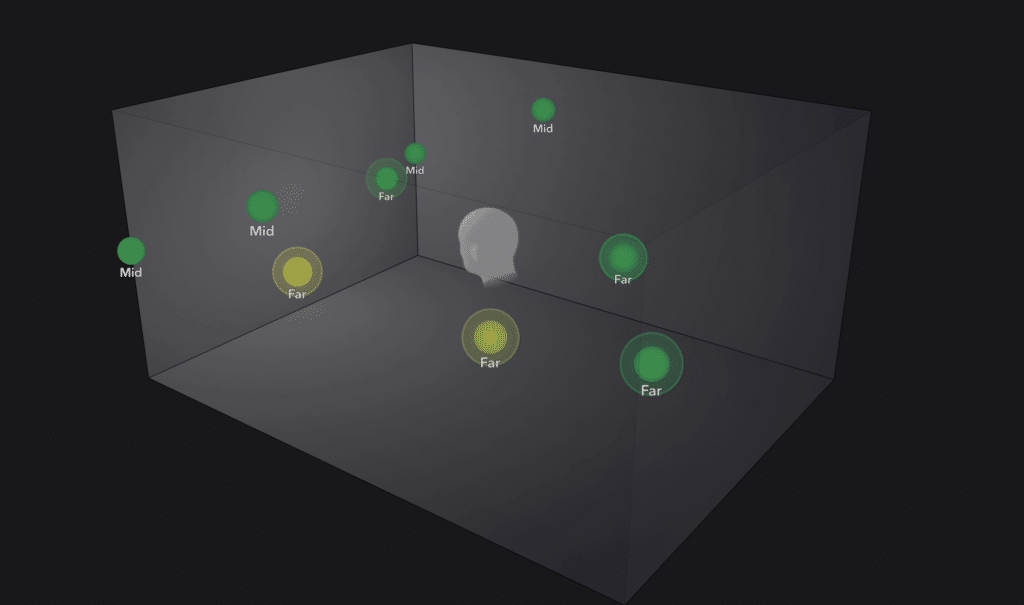
Standard stereo rain recordings create a small but constant cognitive overhead. Your brain’s spatial processing system receives a flattened signal and has to work with the mismatch. 3D recordings remove that friction. The sound is genuinely around you, not in front of you, and your brain accepts it as environmental. The relaxation effect is correspondingly stronger.
We wrote about the neuroscience behind spatial audio here: Why Nature Sounds Feel More Real in 3D. And if you’d like to go deeper on what the research shows about natural sounds generally: Your brain on nature sounds: what the research actually shows.
What we use for rain specifically
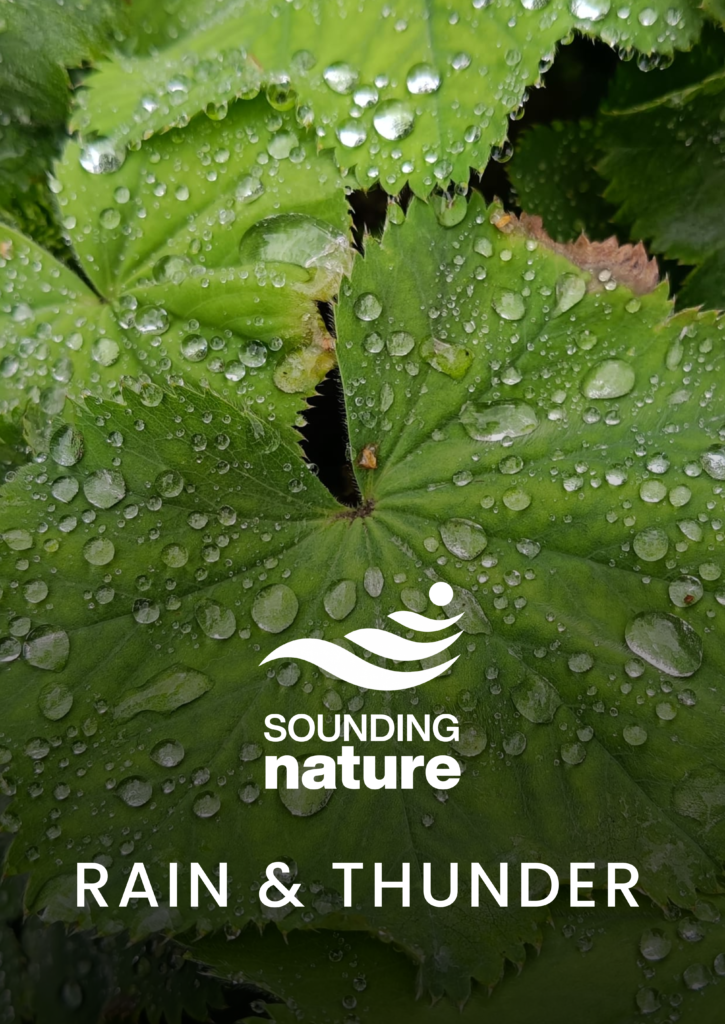
Sounding Nature: Rain & Thunder is 80 minutes of real rain and distant thunder, recorded in Europe. No loops, no synthesis. Eight continuous tracks in binaural spatial audio for headphones and Dolby Atmos for home theatre systems.
Preview tracks are on the Rain & Thunder page. And for the full picture on rain sounds and sleep specifically, read: Rain sounds for sleep: why they actually work.
Related reading from the journal
- Nature sounds and sleep – what happens when nature sound is used for rest, and why the format of the recording matters.
- Multicoloured Sound Noises – white, pink, brown and the rest, and what each colour of noise is made of.
- The Elegance of Rain – what rain has meant across cultures, and what listening to it does to attention and mood.
Sources
— Gould van Praag et al. (2017). Scientific Reports, 7, 45273. Brighton and Sussex Medical School.
— Buxton et al. (2021). A synthesis of health benefits of natural sounds and their distribution in national parks. PNAS, 118(14).