Written by Elise de Bres
There’s a reason so many people reach for rain sounds when they can’t sleep. It isn’t just a habit. Something specific happens in your nervous system when you hear rain, and it’s exactly the kind of shift your body needs to cross into sleep.
What your body needs to fall asleep
Sleep requires your autonomic nervous system to move into its parasympathetic state, which means a slower heart rate, deeper breathing, and reduced alertness. The problem is that most urban acoustic environments keep a mild sympathetic activation running in the background. Traffic, appliances, and distant noise. Not loud enough to notice, but enough to keep the “alert” system on a low setting.
Natural sounds, in particular, water sounds, actively support that shift. A 2021 synthesis published in PNAS (Buxton et al., 36 studies) found that water sounds were most consistently linked to positive emotional states and health outcomes. Birdsong showed the strongest association with reduced anxiety and stress, but for sleep specifically, water is what the research points to most directly.
The reason is likely evolutionary. Water sounds carry no threat signal. They require no monitoring. Your brain receives them as ambient safety, and that is exactly the state a nervous system needs to settle toward sleep. I personally know many people who use rain sounds to fall asleep. Many of them mention pleasant memories of curling up as a child in a tent while the rain fell, or of curling up in their bed while listening to the rain against the window.

Rain in particular
Rain is a specific kind of water sound. It’s broadband, covering a wide frequency range, which means it also gently masks other environmental sounds without you having to consciously listen to anything. It fills the acoustic space without demanding attention, basically, a pleasant noise in the background.
This combination of parasympathetic activation plus this soft acoustic masking is why rain specifically keeps appearing in sleep research and in the experience of people who use it. It’s doing two things at once. So we can highly recommend giving it a try. However, a small note, if you have unpleasant memories of rain, no matter what the science says, you will probably not like it, no matter the soft rhythm or the kind of rain.
What about thunder
This surprises people, but distant thunder tends to deepen the relaxation effect rather than disrupt it. The keyword is distant.
The mechanism is psychological and evolutionary. Distant thunder signals that a storm is present but far away which your nervous system reads as: shelter is working, you are safe, there is no need to respond. The low-frequency rumble creates what researchers describe as an enclosure effect: the acoustic sense of being contained and protected. In the presence of rain, it reinforces rather than breaks the safety signal.

The Brighton and Sussex Medical School study (Gould van Praag et al., 2017), the key research on natural sound and the nervous system, tested soundscapes that included thunder alongside rainfall. Thunder was part of the natural sound condition that produced parasympathetic nervous system activation and outward-directed attention. It was not studied in isolation, so we can’t say what thunder alone does. But as part of a rain-and-thunder soundscape, it was present in the condition that produced measurable relaxation.
Close, sudden thunder is different. A crack overhead triggers a startle response the body reacts to it as an alert. The distinction that matters is distance and frequency: rumbling in the background, moving through slowly, creates the enclosure effect. That is what the recordings in Rain & Thunder capture.
Why recordings work (and why not all recordings are equal)
Many studies on natural sound use recorded soundscapes rather than live environments. The physiological responses are measured in response to recordings, so the evidence applies directly to listening at home.
The quality of the recording matters, though. Short looped files become perceptibly repetitive. Your brain notices the loop, attention pulls back toward the recording, and the restorative effect drops. Long, unlooped recordings of real environments behave differently. The brain stops processing them as media and starts responding to them as the environment. That distinction is what allows sleep to happen.
You can read more about the broader science of what nature sounds do to your nervous system in Your brain on nature sounds, what the research actually shows? it covers the research in more depth. And for the full picture on sleep specifically, read Nature Sounds and Sleep: What the Science Actually Tells.
What we made
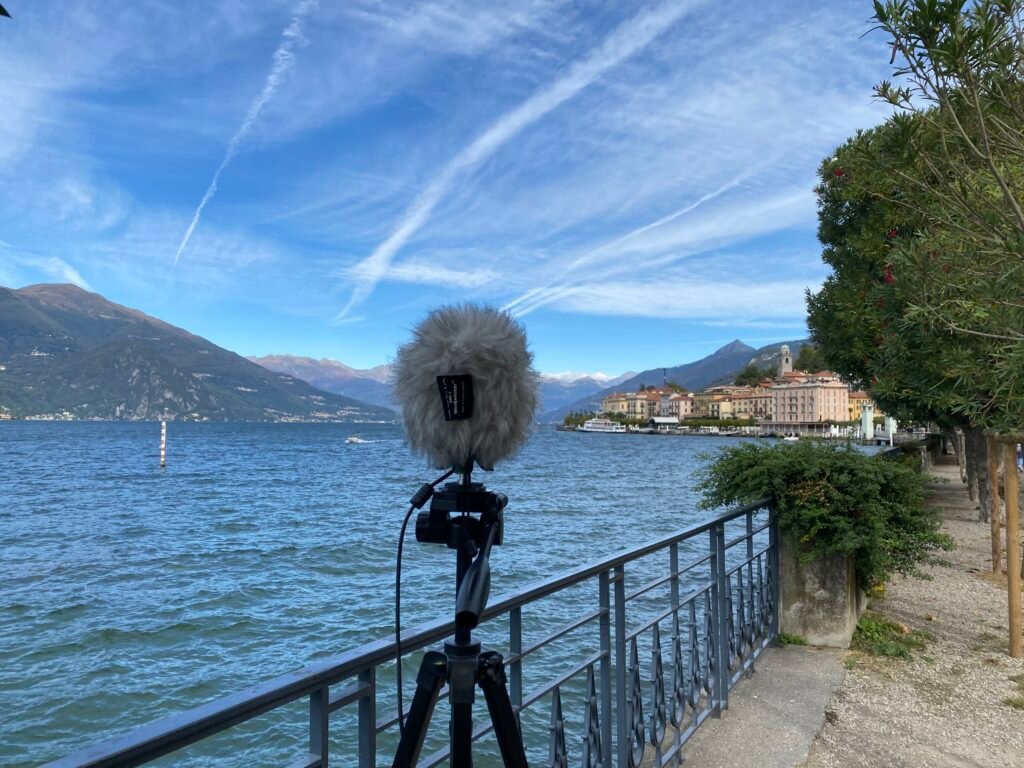
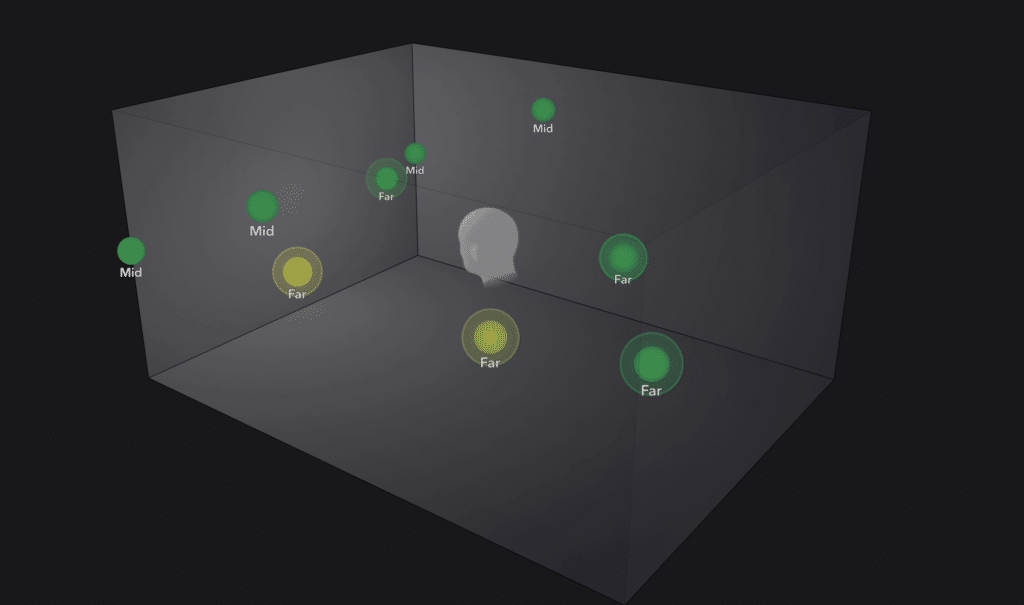
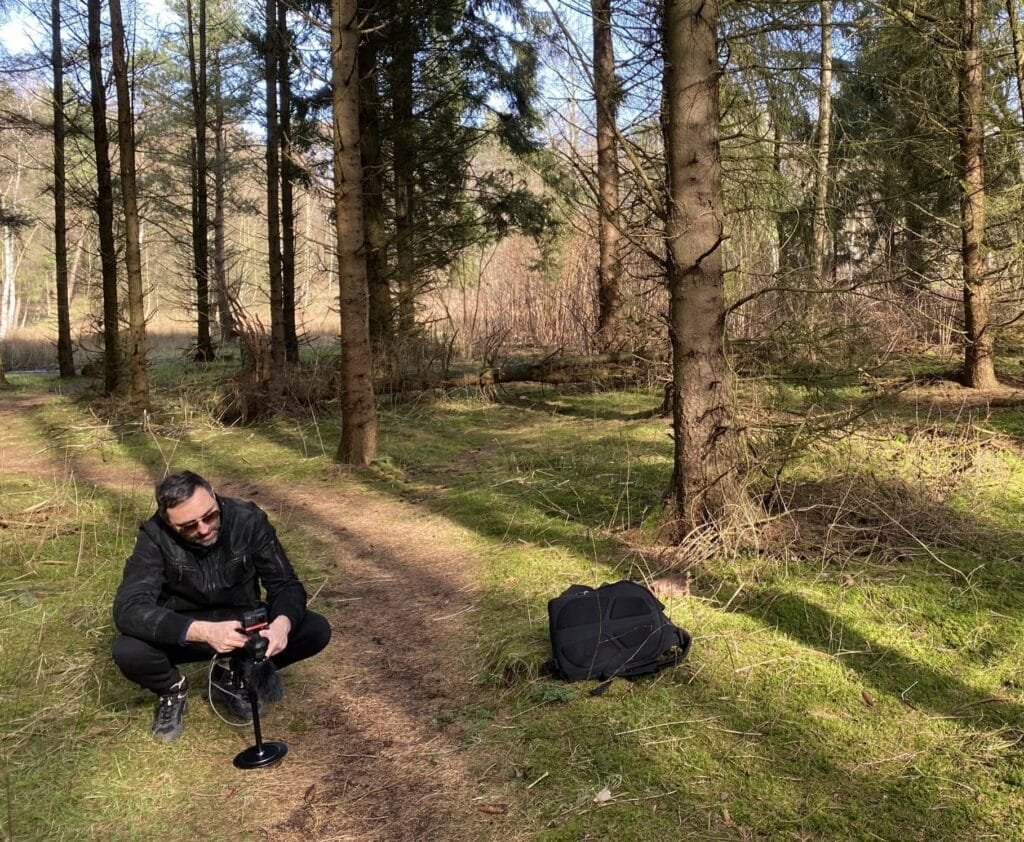
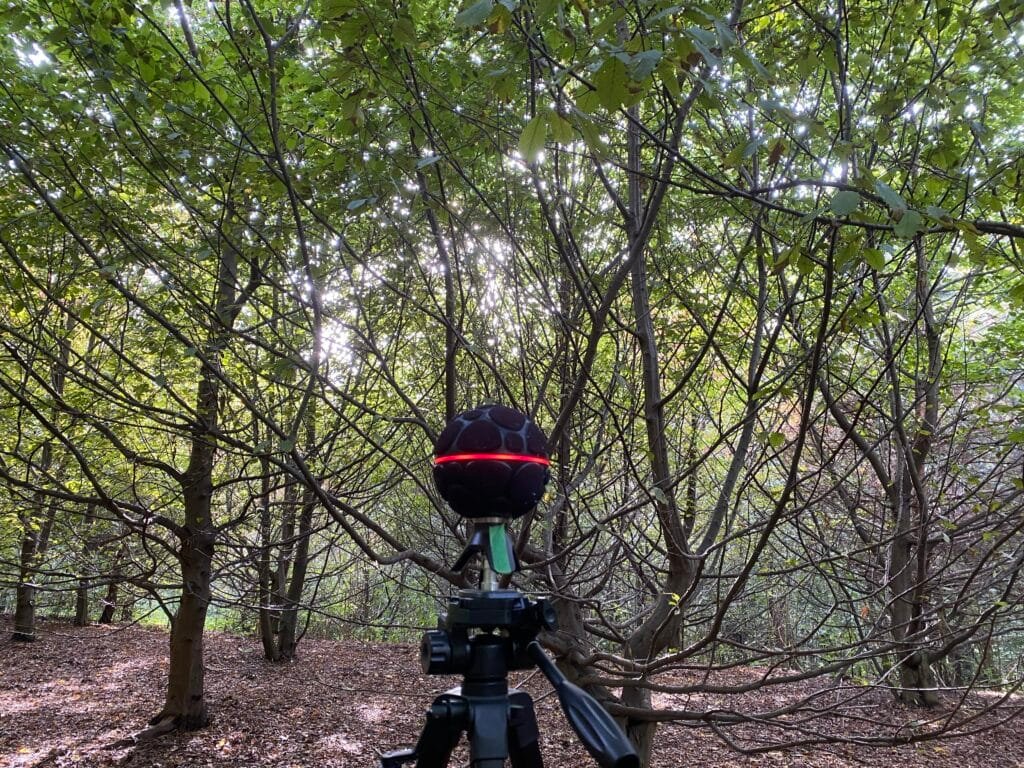
Sounding Nature: Rain & Thunder is 80 minutes of real rain and distant thunder, recorded in Europe using ambisonic spatial microphones. No loops. Eight continuous tracks that shift the rain intensity, with thunder approaching and receding, and the acoustic space breathing.
It’s available in binaural audio for headphones, which means the rain is spatially around you rather than in front of you. You can read about the recording process and where it was made here: Recording Rain & Thunder: where this album came from. That spatial quality isn’t just a nice feature it removes a layer of cognitive friction that standard stereo recordings create, which makes the transition into sleep easier. If you’d like to understand why that matters neurologically, we wrote about it here: Why Nature Sounds Feel More Real in 3D.
Preview tracks are on the Rain & Thunder product page. The difference between spatial audio and standard stereo is one of those things that needs to be heard.
Sources
— Buxton et al. (2021). A synthesis of health benefits of natural sounds and their distribution in national parks. PNAS, 118(14).
— Gould van Praag et al. (2017). Mind-wandering and alterations to default mode network connectivity when listening to naturalistic versus artificial sounds. Scientific Reports, 7, 45273.