If Venice Dies
Written by Elise de Bres
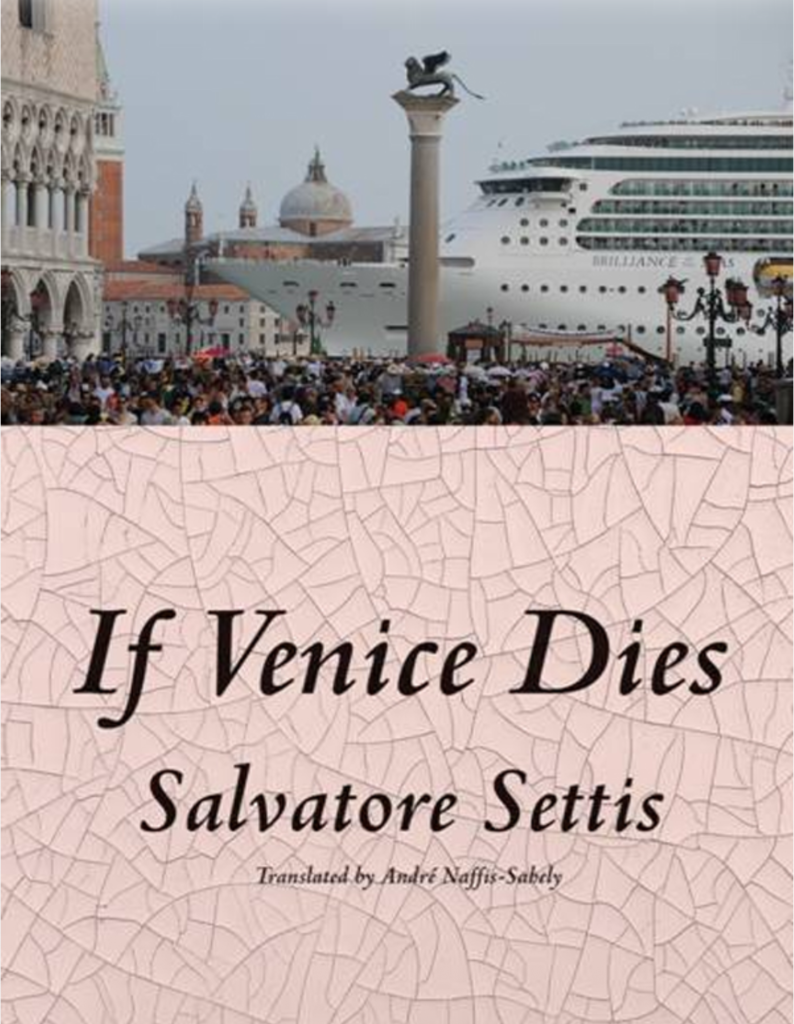
Recently, I was reading If Venice Dies by Salvatore Settis for an Urban Book club I joined. It’s a book about Venice, but it is really a book about the future of cities. One question from the book stayed with me: “Is it truly inevitable that every small city will be doomed to transform into a megalopolis, adding countless underground tunnels, satellite towns, highways, and other assorted forms of social alienation?”
Walking Cities
As I read this, I wasn’t just thinking about urban planning. I was thinking about sound.
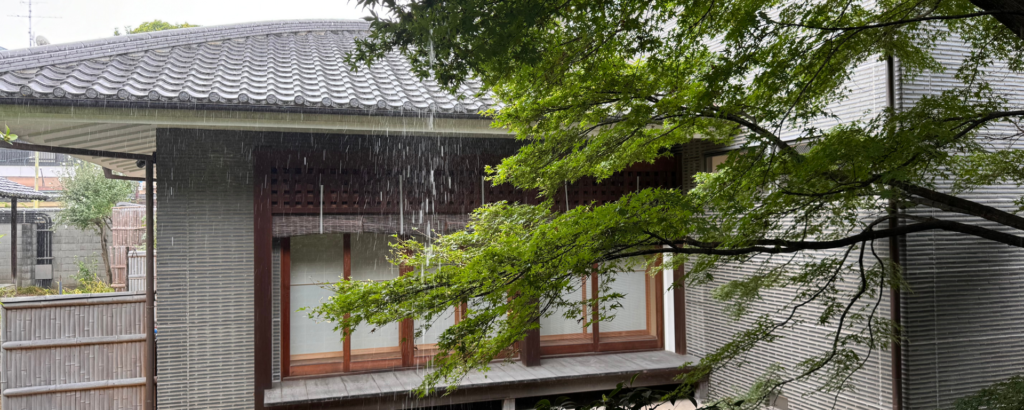
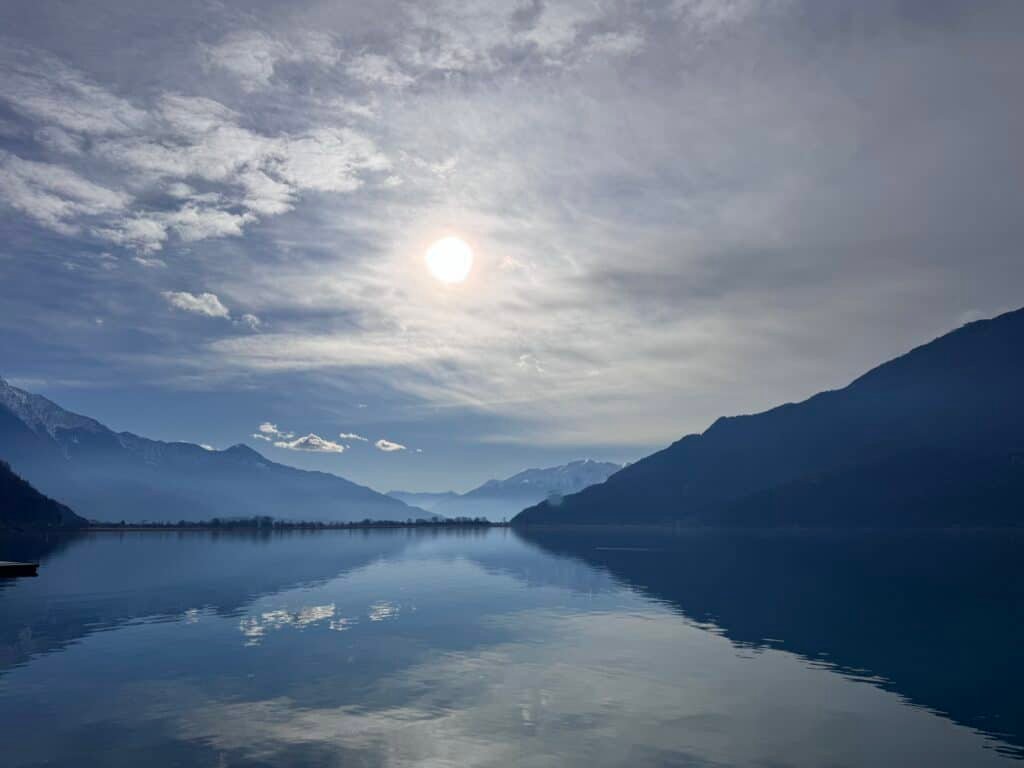
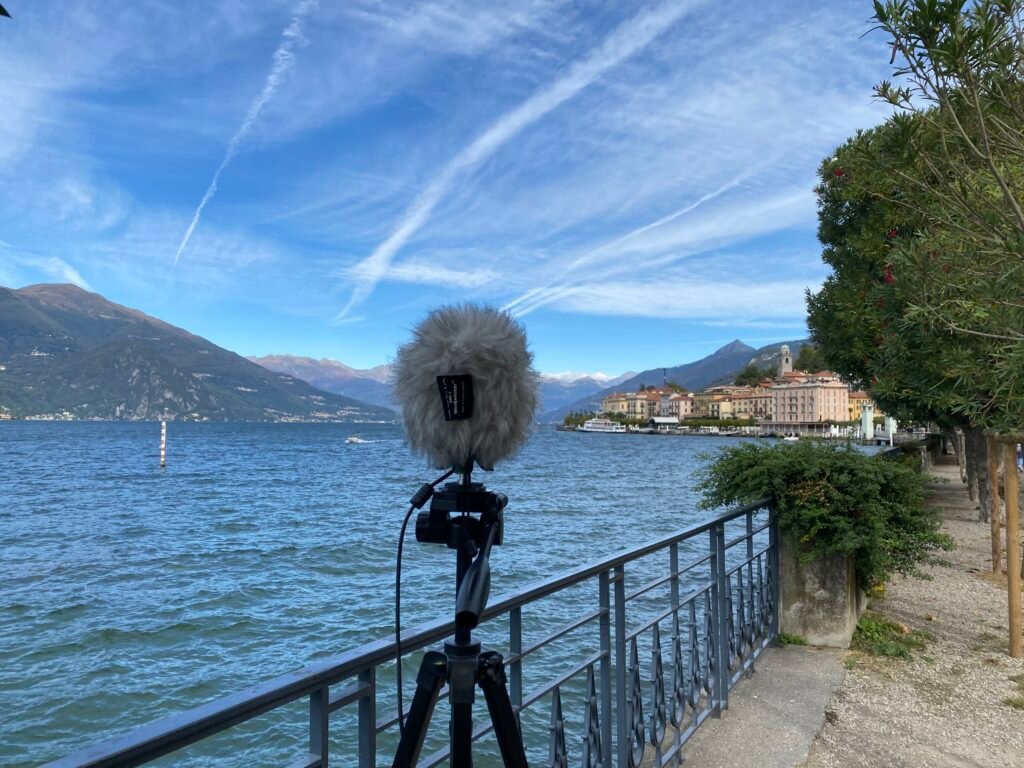
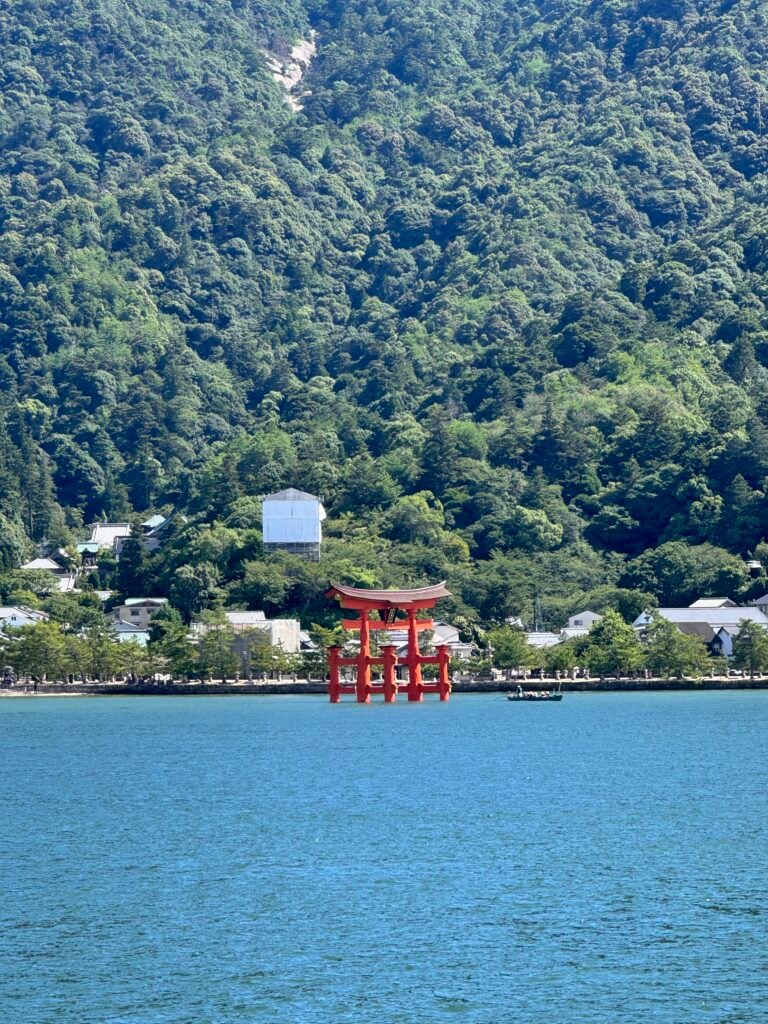
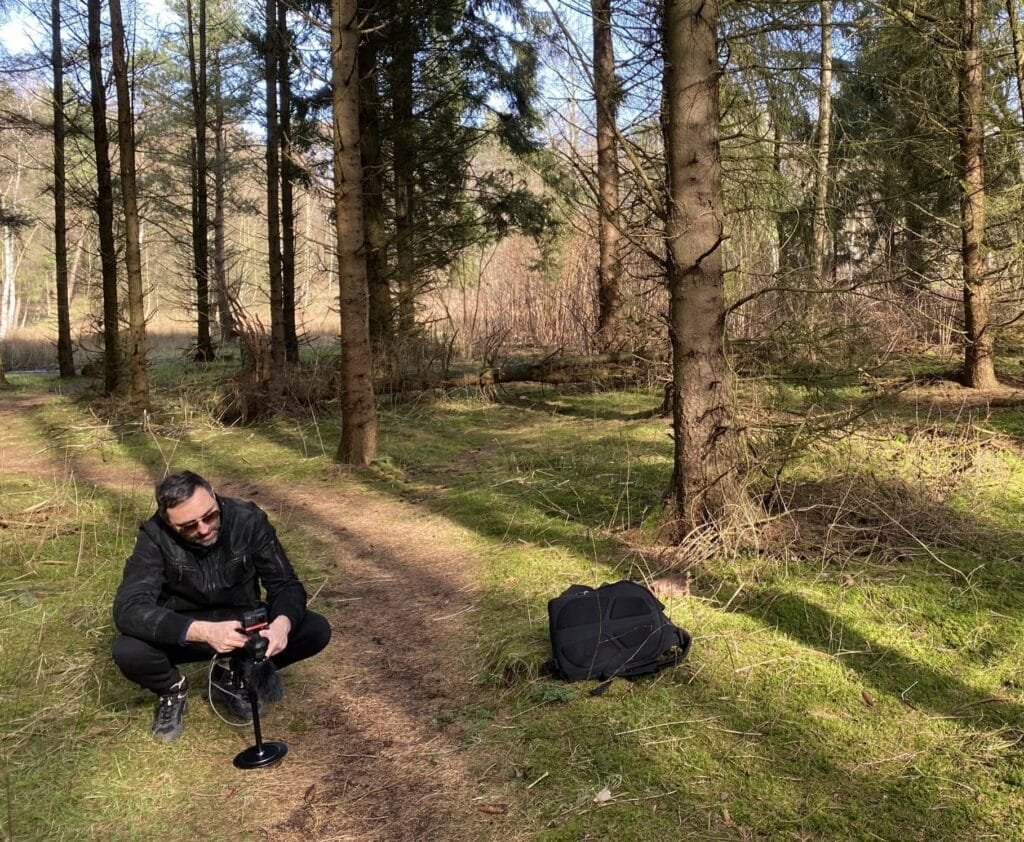
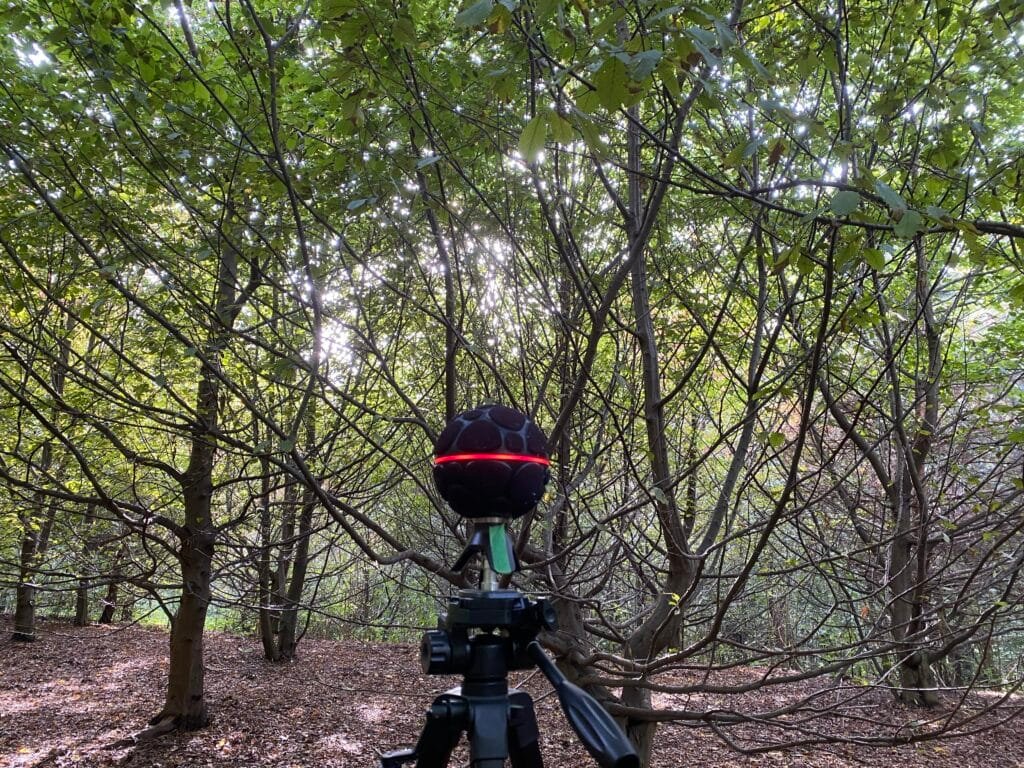
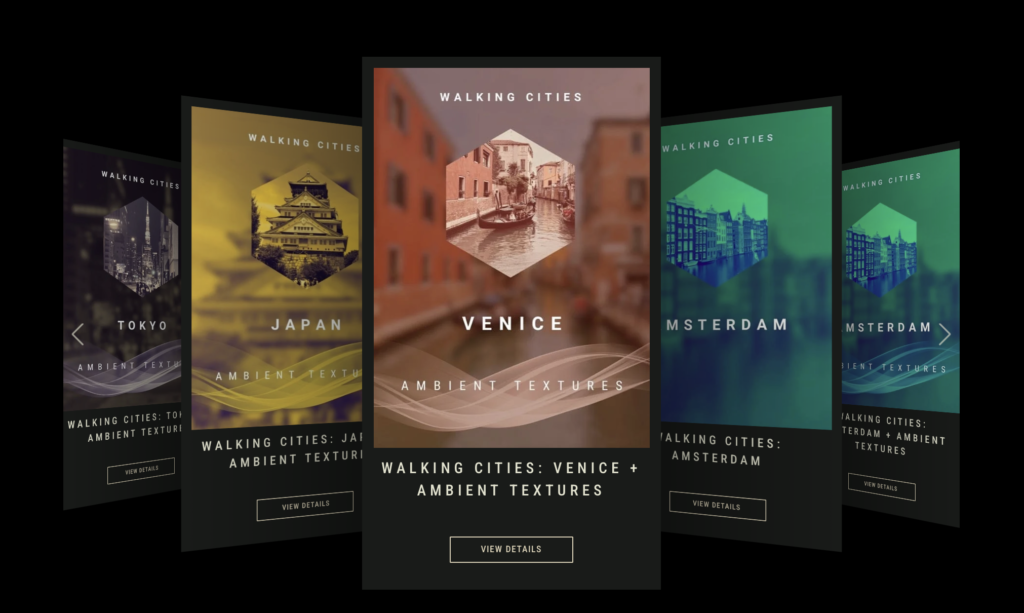
Over the past years, with Flower of Sound, we have walked and recorded cities around the world for the Walking Cities series. Not with a camera but with microphones. Amsterdam, Venice, Lisbon, Prague, Milan, Lake Como, Tokyo, Kyoto.
Different continents. Different histories. And yet, increasingly, similar soundscapes. The continuous layer of chatter with rolling suitcases, queues, car engines, air conditioning systems, and the normal traffic hum.
Of course, every city still carries its acoustic fingerprints:
- The trams of Lisbon are grinding uphill
- The specific rhythm of traffic light signals
- Church bells in Como
- Temple bells in Kyoto
- The density of bicycles in Amsterdam
- The traffic crossings of Tokyo
But the differences are becoming subtler, and the chit-chatting is starting to sound the same everywhere.
Changing Soundscape
Settis argues that tourism is a filter between the Venice that was and the Venice of today. When I walk through cities recording, I hear that filter. Sound reveals how a place is being used. Who it is built for. Whether it is lived in or passed through. Settis describes how, every year, millions and a half descend briefly on Venice “to give it a fleeting look from above,” generating profit but also causing damage.

And he writes: “With all these benefits, I suppose it doesn’t really matter if Venice dies.” But it doesn’t matter. Because, as he quotes Plutarch: “A city, like a living thing, is a united and continuous whole… it is always at one with its former self in feeling and identity.” A city is not just infrastructure. Reading this, I couldn’t help but think of the restless busyness you hear everywhere now.
The pressure to move, consume, optimize. The absence of pause and silence. Thinking about historic cities, Settis writes, means thinking about: “human communities, the right to work, and the right to the city.” On the other hand, in the past, cities were often much louder, but the sounds were mechanical, such as horse carriages, for instance. Now there is an electronic buzz with high frequencies. This was especially easy to hear in Japan.
Living in the City
Listening closely, I sometimes wonder: If cities start to sound the same, are we also standardizing what a city is allowed to be? Are we just run over by tourism? I am spending a lot of time in Amsterdam and Milan, both feeling the impact of the tourism and the pull on expats and foreign investors. Will those cities still be livable for ordinary people in 10 years? Will we recognize the sound of the city? I sincerely hope so because, for me, a true city is created by the people who actually live there, not temporarily, but make their lives in that city.
If you’re wondering how all those cities sound different and the same. You can listen to snippets of all the cities for free on our website. www.flowerofsound.com/shop