Written by Elise de Bres
There is a moment most people recognise. You step outside into a forest, near a river, or somewhere with wind moving through trees, and something shifts. Your shoulders drop. Your breathing slows. The noise inside your head quiets a little.
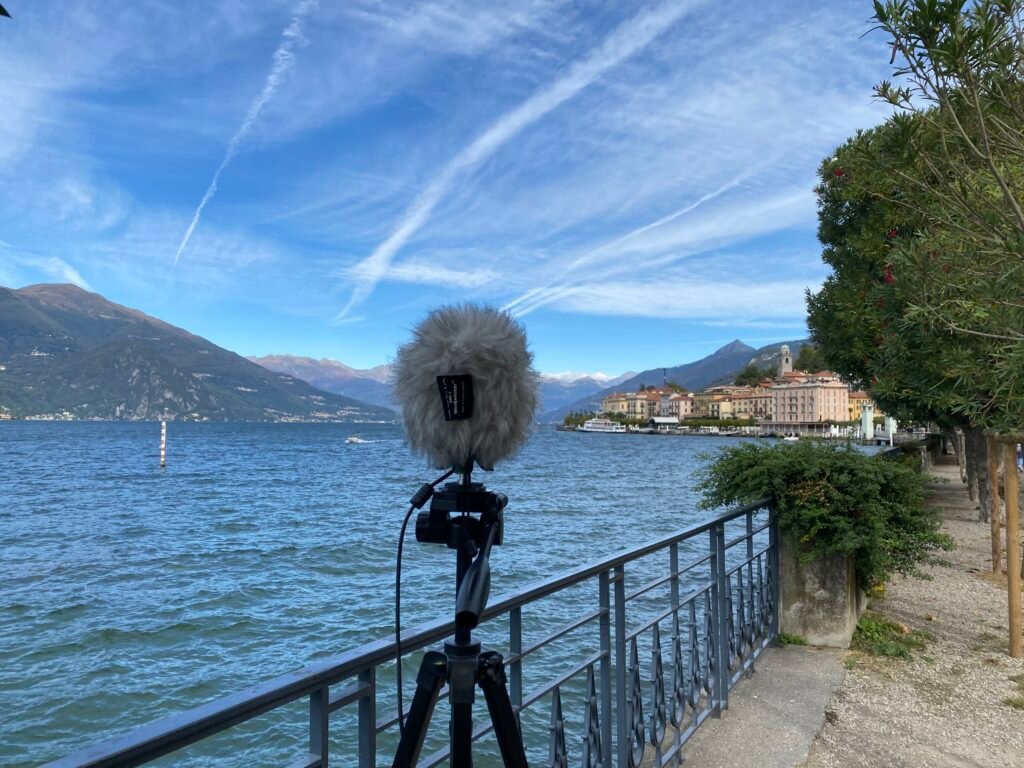
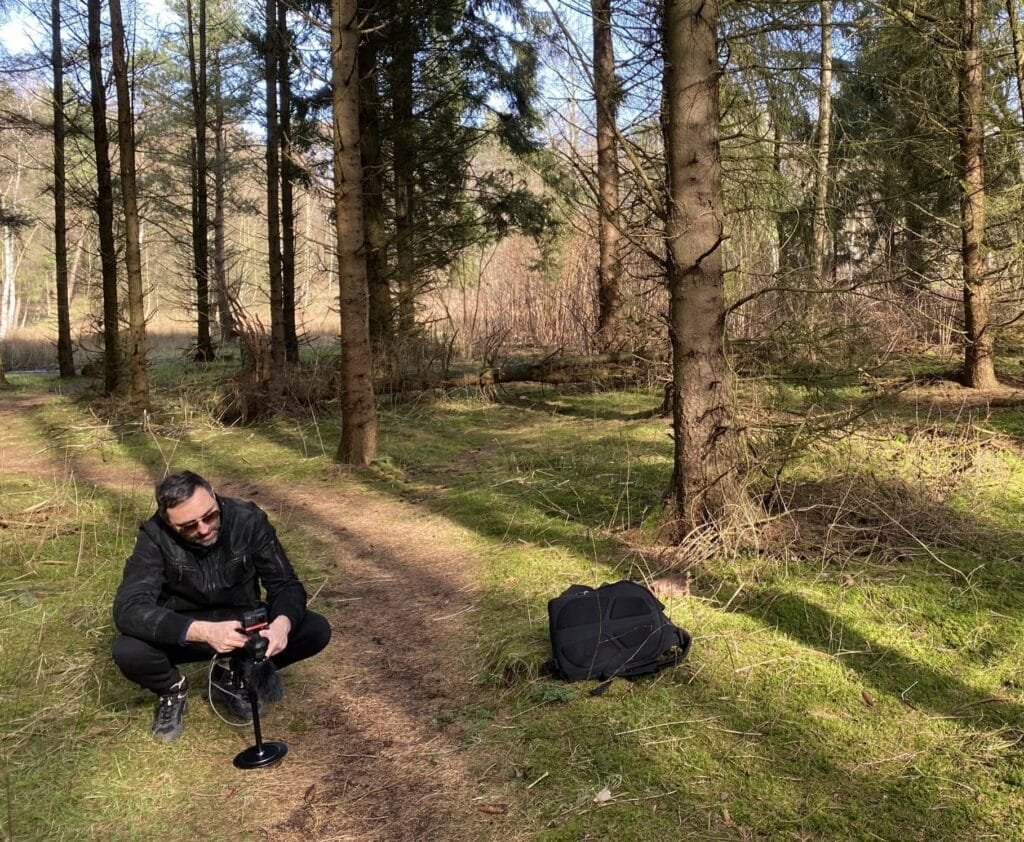
I’ve noticed it myself, many times, including during recording sessions in the field with Claudio Vittori (founder of Flower of Sound). There’s a particular quality to that settling, and it feels like relief. Over the past decade, research has begun to explain what’s actually happening in your nervous system, to your heart rate, and with your attention when you’re exposed to natural sound. The findings are specific and useful enough to be worth knowing about. Especially for those of us who spend most of our time in cities, on screens, and with the low-grade hum of modern life.
What the research actually shows
A 2021 synthesis published in the Proceedings of the National Academy of Sciences (Buxton et al., 36 studies) found a large improvement in positive affect and health outcomes (reported as a 184% relative increase in effect size compared to control conditions) and a 28% reduction in stress markers. It held across hospitals, offices, and outdoor settings.
A 2024 meta-analysis published in Science of the Total Environment (15 studies, 1285 participants) found that natural sound exposure produced measurable reductions in heart rate, systolic and diastolic blood pressure, and respiratory rate. Not a feeling but an actual physiological change.
A 2025 randomised controlled trial in Scientific Reports (Longman et al.) tested forest soundscapes against industrial noise on mood, cognitive restoration, and concentration and found that forest soundscapes outperformed on all three. Worth noting: the same study found no significant difference in physiological stress markers or immunity between conditions, which is a reminder that not everything responds equally. And that’s what we sometimes think is bad or good for us is actually neutral.

Birdsong and water don’t do the same thing
One detail from the PNAS research is worth sitting with: birdsong and water sounds work differently. This to my own surprise. Birdsong was most consistently linked to reduced anxiety and stress. While water sounds were most linked to positive emotional states. If you’re trying to come down from a difficult day, what you choose to listen to matters.
A 2022 study from King’s College London (conducted through the Urban Mind app with a large, real-world sample) found that seeing or hearing birds was linked to improved mental well-being for up to eight hours after the experience. That includes people living with depression.
The most likely explanation is evolutionary. Birds are an ambient signal of a safe, living environment. When birds go silent, something may be wrong. When they’re calling, the world is stable. Your brain seems to treat that signal seriously not just symbolically, but as actual information.
Thunder
One more that surprises people: distant thunder with rain sounds. Counterintuitively, it tends to deepen relaxation rather than disrupt it. The low-frequency rumble of thunder in the distance creates what researchers call an enclosure effect. Your nervous system reads it as: the storm is out there, you are in here, you are safe. The Brighton and Sussex Medical School study tested soundscapes that included thunder alongside rainfall, and this natural sound condition produced measurable parasympathetic activation.
What happens to your attention
There’s a concept in environmental psychology called Attention Restoration Theory. The short version: natural environments allow the directed, effortful attention we use for work and decisions to recover. Natural sound is a part of what makes that possible. What it does It engages a softer, involuntary kind of noticing, and it’s the kind that doesn’t drain you. And although it’s called effortful attention, it requires far less attention than scrolling through screens, and, most of all, it restores the brain rather than causing brain rot.
In a small real-world experiment commissioned by South Western Railway, cited by Oxford professor Charles Spence, natural sounds during train commutes even reduced passenger stress by 35% and nervousness by 32%.

Why this matters more than it used to
The World Health Organisation projects that by 2050, more than 70% of people will live in urban environments. Urbanisation is consistently linked to higher rates of anxiety and depression. One of the mechanisms, not often discussed, is the loss of natural sound in daily life.
This isn’t just a wellness trend. It’s a shift in the conditions of how most people live. And access to natural environments is becoming more and more unequal, as not everyone can get out of the city regularly, and not everyone has outdoor space at home.
Does listening to recorded nature sounds actually work?
The honest answer is: yes, with important nuance. Many controlled studies use recorded soundscapes to isolate the acoustic effect, and the physiological responses are measured in response to those recordings. So the evidence supports recordings, not just being in nature.
What matters is the quality and character of the recording. A 30-second looped birdsong file is not the same as a long, unlooped recording of a real place. Short loops can become perceptibly repetitive, likely reducing immersion and, in turn, the restorative effect.

Why recording in 3D amplifies this
There’s one more layer that I think gets overlooked in most conversations about nature sound.
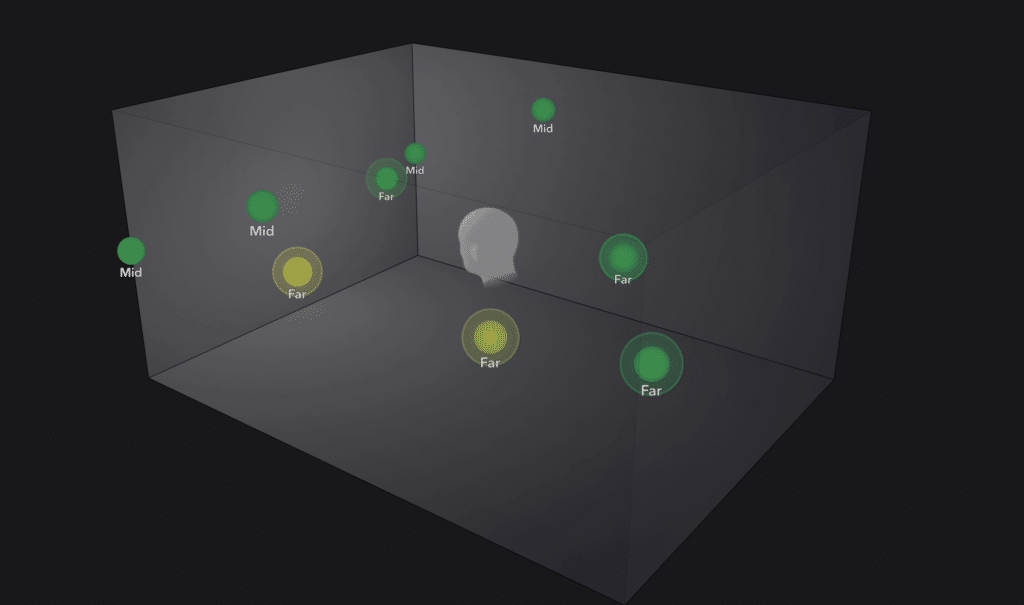
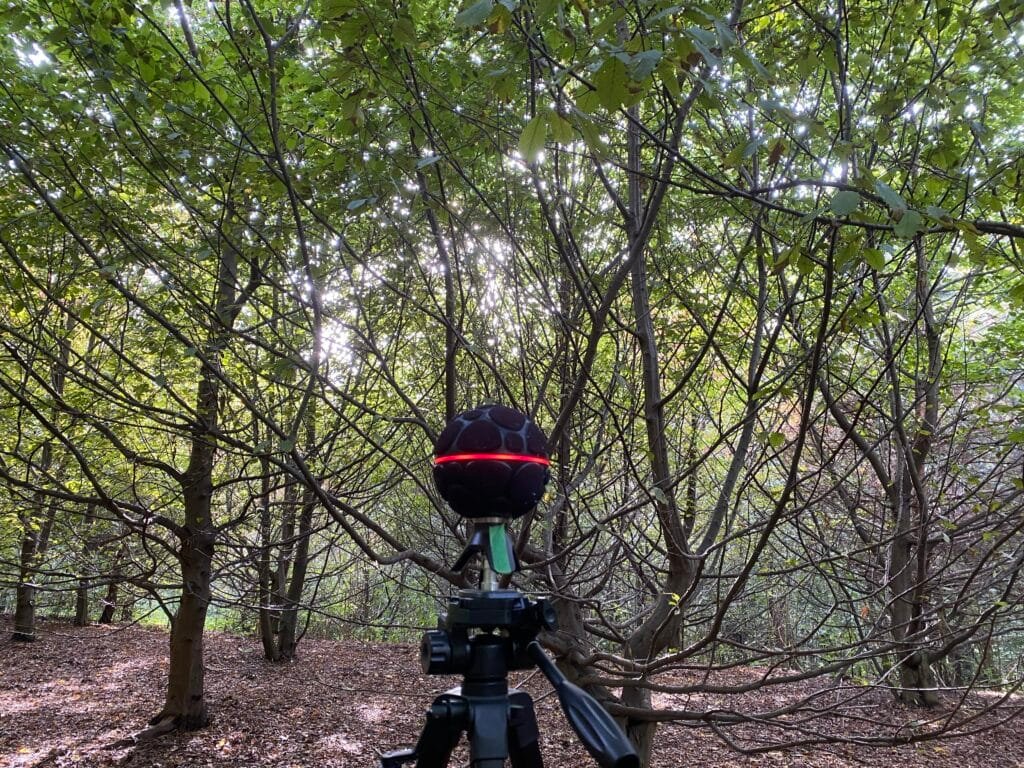
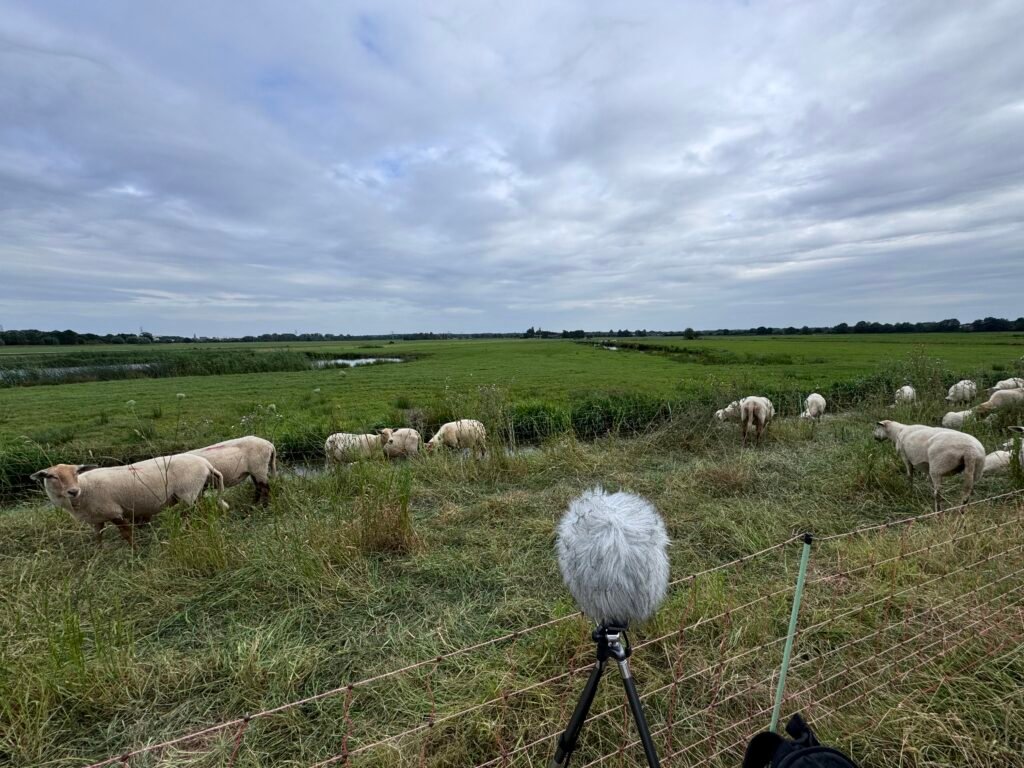
When we record in the field using 3D microphones, we capture the acoustic character of a real place in all directions simultaneously above, below, left, right, in front and behind. When you listen to that recording on headphones or a spatial audio system, the sound is genuinely around you, not just in front of you.
Your brain’s spatial processing system receives that signal and unlike with stereo recognises it immediatly. The small but constant cognitive work of interpreting a flattened, two-channel audio signal (stereo) disappears. What remains is the sound, without the processing overhead.
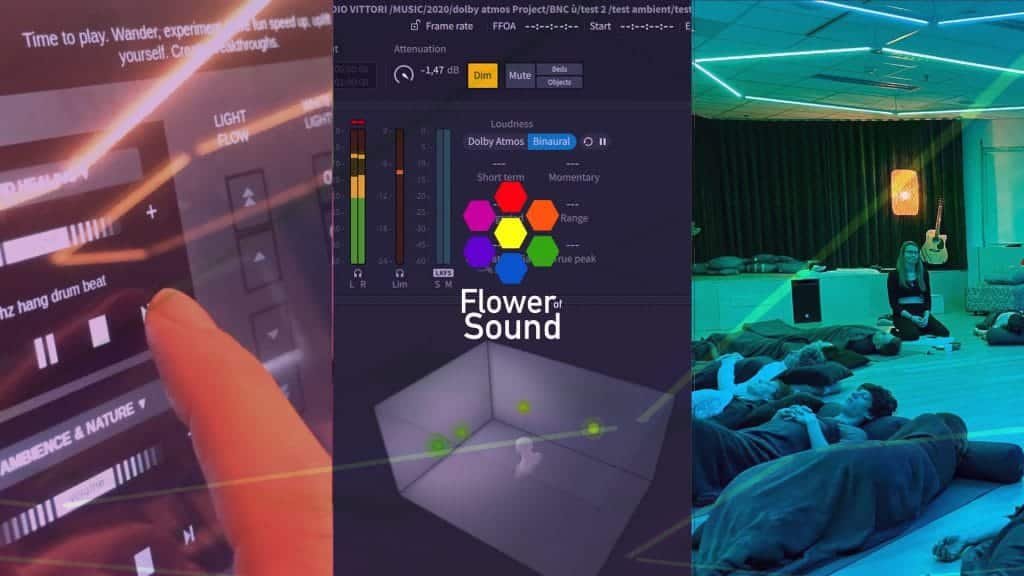
At Flower of Sound, we wrote about this in more detail in our article Why Nature Sounds Feel More Real in 3D if you want to understand the neuroscience behind why immersive audio feels different, that’s a good place to start.
What it means in practice: the effects the research describes: the stress reduction, the attention restoration, the shift in heart rate are likely amplified when the recording surrounds you rather than plays at you. The signal your nervous system receives is closer to the real thing, and you get a greater immersion effect. 3D sound is often called immersive sound.
What we built at Sounding Nature
Sounding Nature is our archive of European natural environments, recorded in professional spatial audio. Long-form, continuous recordings, no loops, no synthesis. Captured on location using ambisonic microphones, in forests, by rivers, in the rain. Most tracks are between 5 min and 15 min long and are also available with video.
The first release is Rain & Thunder (eight tracks and 80 minutes of real rain and distant thunder) recorded in Europe. Available in binaural audio for headphonesand Dolby Atmos for home theatre systems,
Where to start
If you want to hear the difference before buying, preview tracks are on Sounding Nature: Rain & Thunder. The gap between binaural spatial audio and standard stereo is something that needs to be heard, not explained. So we invite you to listen first.
And if you want to understand the science of why 3D audio feels different at a neurological level read: Why Nature Sounds Feel More Real in 3D.
Sources
— Buxton et al. (2021). A synthesis of health benefits of natural sounds and their distribution in national parks. Proceedings of the National Academy of Sciences (PNAS).
— Meta-analysis on natural sound exposure and health recovery (2024). Science of the Total Environment. 15 studies, 1285 participants. Measured HR, blood pressure, respiratory rate.
— Longman et al. (2025). Forest soundscapes improve mood, restoration and cognition, but not physiological stress or immunity, relative to industrial soundscapes. Scientific Reports, 15, 33967.
— Urban Mind app study, King’s College London (2022). Everyday exposure to birdsong and mental wellbeing.
— South Western Railway / Prof. Charles Spence, Oxford University (2024). Natural sounds and commuter stress.
— WHO / Earth.fm (2025). Urbanisation projections and mental health context.