We found something interesting recently, and it is that familiar forest soundscapes with bird sounds in them are more relaxing than very exotic ones. Listening to the Amazon is very cool. But if you are from Europe, a European soundscape is better for calming your nervous system. A study published in May points to this, and we did not expect it.
The ordinary forest beats the extraordinary one
Researchers based at iDiv and partner institutions in Germany played 195 students two forest recordings each and measured what happened. Some heard temperate forest, recorded in Germany and Poland. Others heard lowland rainforest recorded in Panama, Darién. Within each pair, one recording held more vocalizing species than the other.
On paper, the rainforest should win. The Panamanian recordings carried more species, including insect stridulation absent from the European ones, up to sixteen identified sound sources against eight in the richest European take.
It lost.
The local forests were rated more familiar and more pleasant, and, importantly for anyone thinking about rest, they were perceived as more restorative. They also produced stronger feelings of awe, which we find remarkable, because you would think the exotic one would create more awe. Nobody has yet tested whether the effect runs the other way for a listener who grew up with the rainforest. They might fall asleep out of boredom listening to our European forests 🙂
What is also interesting is that when people perceived many different animals, their mood improved and their attention sharpened. When people perceived the recording as generally complex, without that complexity resolving into creatures, the effect reversed. Measured species richness on its own did close to nothing for wellbeing. So it is recognition that seems to matter, not richness.
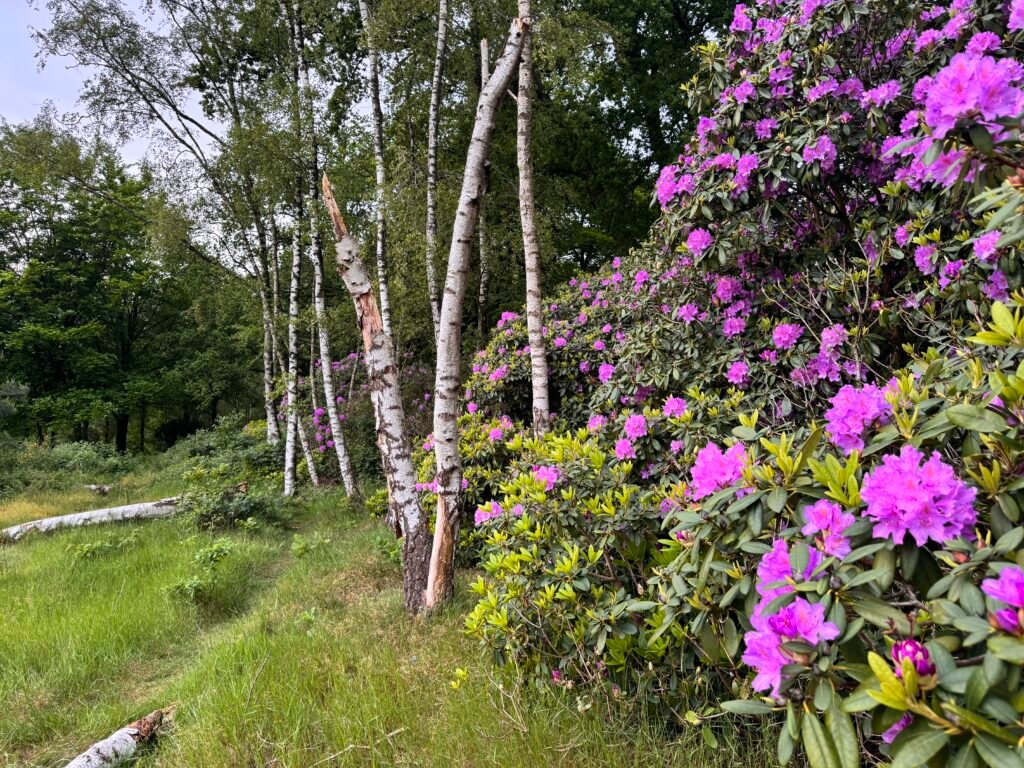
Why a European recording travels across Europe
If recognition is the active ingredient, the obvious question is how far recognition stretches. Madrid and Warsaw are 2,000 kilometers apart. Do they share a soundscape?
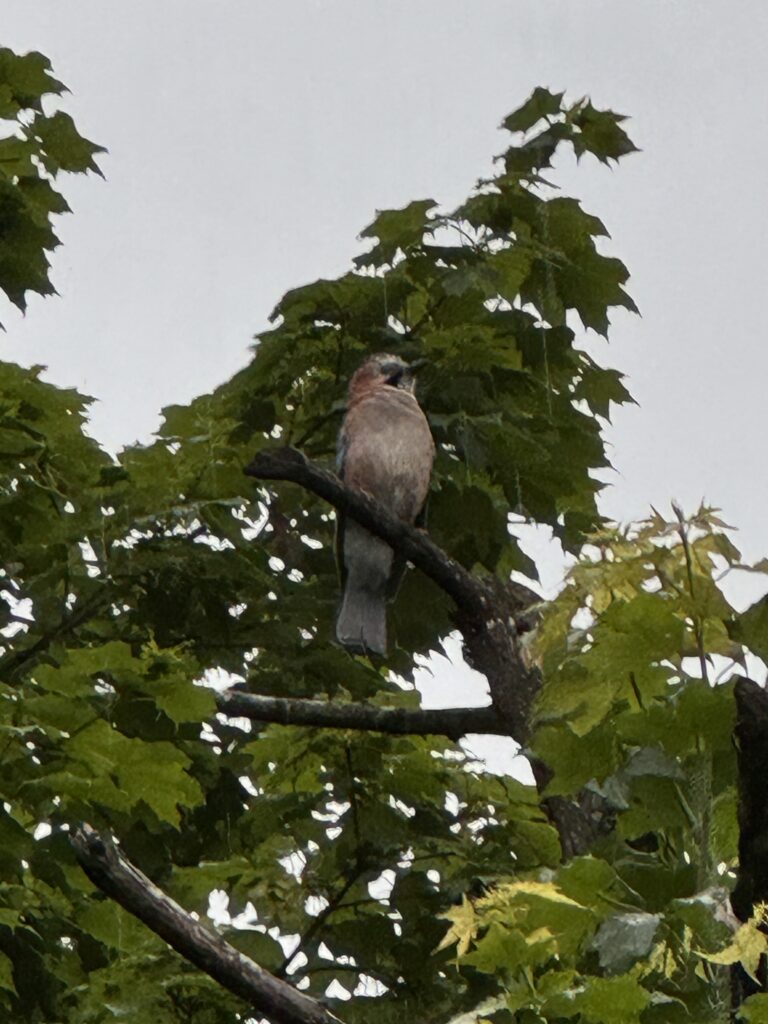
More than you would guess. The great tit, one of the species in the German recording, is found across all of Europe except Iceland and northern Scandinavia, including numerous Mediterranean islands, and it mostly stays put year-round. The common chaffinch, which we have recorded a lot of in very different locations, breeds across most of Europe and eastwards into temperate Asia, with its own subspecies on the Iberian Peninsula and the Balearics. The European robin breeds across continental Europe as far east as the Urals and as far south as northern Morocco.
The study itself quietly demonstrates the point. One of its two local recordings was made in Poland rather than Germany, and the researchers counted it as local anyway, because it “contained bird species that are also common in Germany.” Local, in practice, did not mean inside a national border. It meant a cast of species a listener already knows.
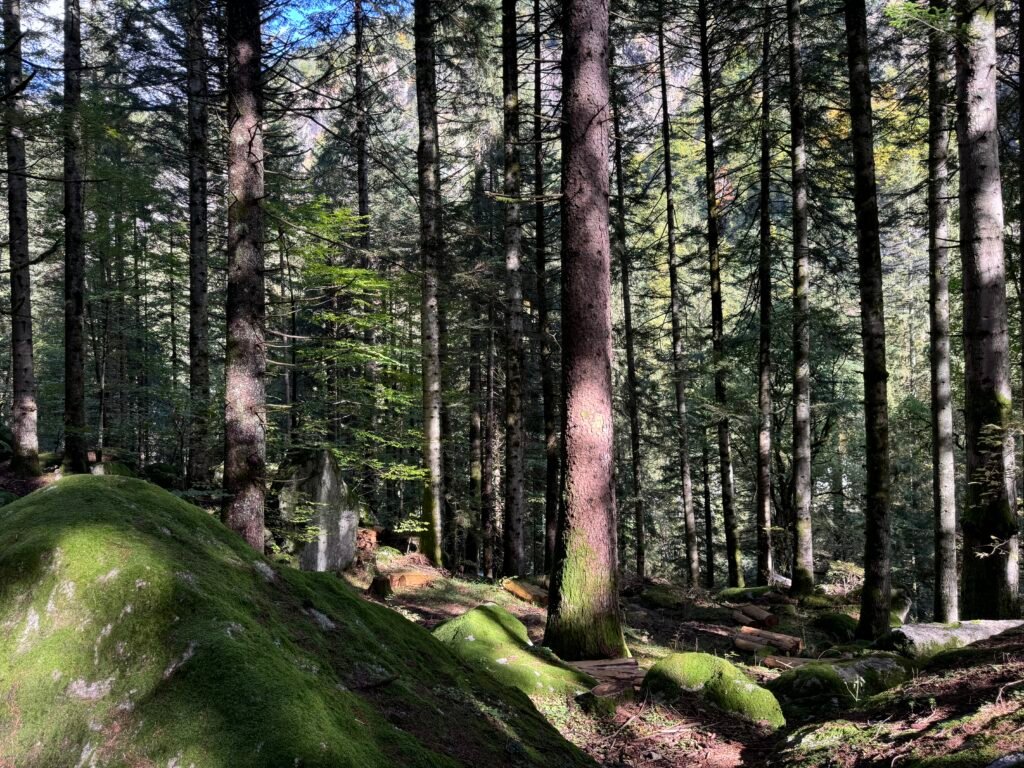
The general research does not fully agree with itself
Anyone citing this area should say plainly that it contains a live disagreement. A widely read 2022 study by Stobbe and colleagues played 295 people six minutes of either birdsong or traffic noise. Birdsong measurably reduced anxiety and reduced paranoia. Traffic noise moved the other way, increasing depressive symptoms. Stobbe found birdsong helped regardless of how many species were in it. Two species did what eight did. The 2026 study reports the opposite pattern on diversity, and its authors say so directly, naming Stobbe as a finding their results contradict.
One more caution about the Stobbe paper, because it is the study most often summarised online as proving birdsong makes people feel safe. The authors do raise that idea, suggesting birdsong “might be implicitly associated with a vital natural environment” or “could signal the absence of acute threat.” That is their speculation about mechanism, offered as a possible explanation, not something they actually tested. So next time someone says it with great authority, and we have been guilty of this as well, you can say IT IS NOT PROVEN.

Our take
Here is our own reading and logic, not a research finding: The familiar soundscape seems to let you relax more because your brain has to work less. You are not decoding it, because you already know what everything in it is, and the recognition itself appears to be part of the rest.
Our hypothesis is that an unfamiliar soundscape is perceived differently. A rainforest you have never lived beside gives you nothing to recognize and everything to attend to. That may be a poor tool for settling a nervous system and a good one for holding attention, or for training your brain with novelty. Nobody has run the study that separates calm from novelty, so we are stating it as an open question, because that is what it is.
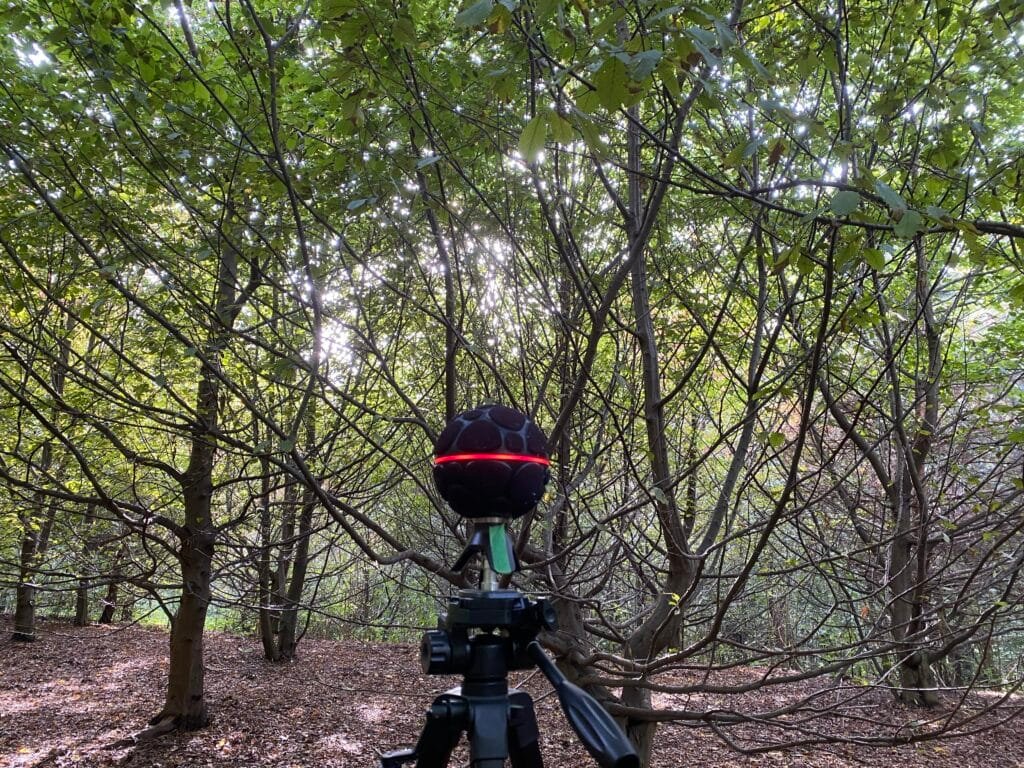
One thing worth being clear about, since it is our own field: this study is about what is in the recording, not about how it was captured. The listening happened on short MP3 files through participants’ own headphones. It is the birdsong doing the work here, can you imagine if it was also in spatial audio.
We are preparing an immersive Sounding Nature catalog in different spatial audio formats, recorded over the past years, and it includes a lot of birdsong. We will release it in albums over the coming years. If you are interested in licensing options, drop us a line..
Related reading from the journal
- Your brain on nature sounds: what the research actually shows – the evidence base for nature sound generally, and the cornerstone this article builds on.
- Nature sounds and sleep – what happens when nature sound is used specifically for rest and sleep.
- Why nature sounds feel more real in 3D and what that does to your body – what changes when a recording is spatial rather than stereo.
References
All studies cited above were verified against the original peer-reviewed publication. Open-access where available.
- Cuentas Romero, A. G., Rozario, K., Marselle, M., et al. (2026). When nature sounds like home: Mental wellbeing effects of acoustic diversity differ for local and non-local forest soundscapes. Journal of Environmental Psychology, 111, 103007. doi.org/10.1016/j.jenvp.2026.103007
- Stobbe, E., Sundermann, J., Ascone, L., & Kühn, S. (2022). Birdsongs alleviate anxiety and paranoia in healthy participants. Scientific Reports, 12, 16414. doi.org/10.1038/s41598-022-20841-0
AI: research and editing was partly done with AI, always verified by us. Idea, point of view and images 100% human made.