We came across a study we had not seen before, and it is a good follow-up to what we published about where 110 Hz comes from.
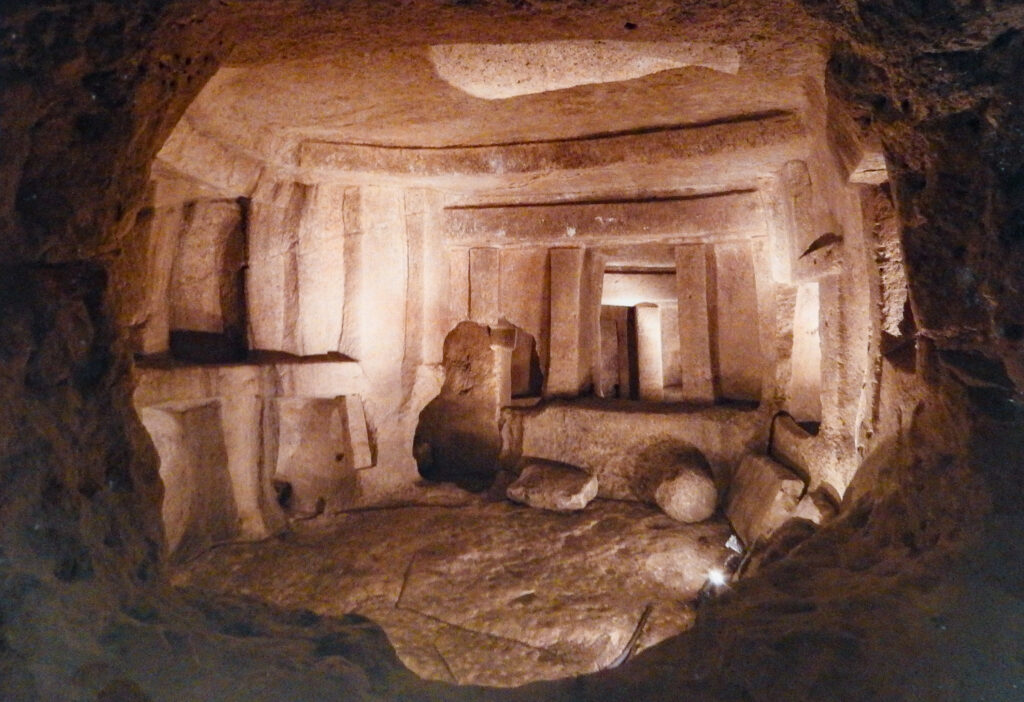
The Ħal Saflieni Hypogeum in Malta is the site most often named when people talk about 110 Hz. Cut into limestone around 4000 BC, three levels underground, with a chamber called the Oracle Room that is supposed to resonate at exactly that frequency.
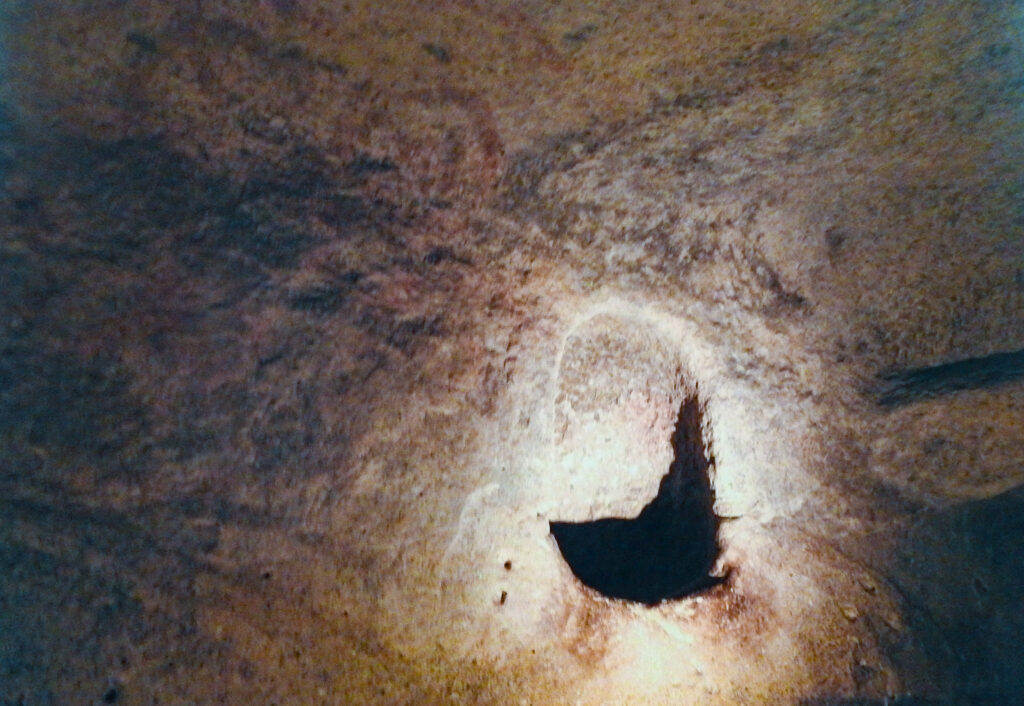
In February 2014 a team spent several hours in that room with measuring equipment. Paolo Debertolis, Fernando Coimbra and Linda Eneix published the results the following year, and they did not find 110 Hz. They found 114 Hz, and a second resonance between 68 and 70 Hz.
They say it plainly in the paper: “This is a bit different from the 110/111 Hz that was initially expected, based on previous research in other Neolithic chambers.”
The drum that shows why four hertz matters
Four hertz sounds like a rounding error. The instruments they brought show it isn’t.
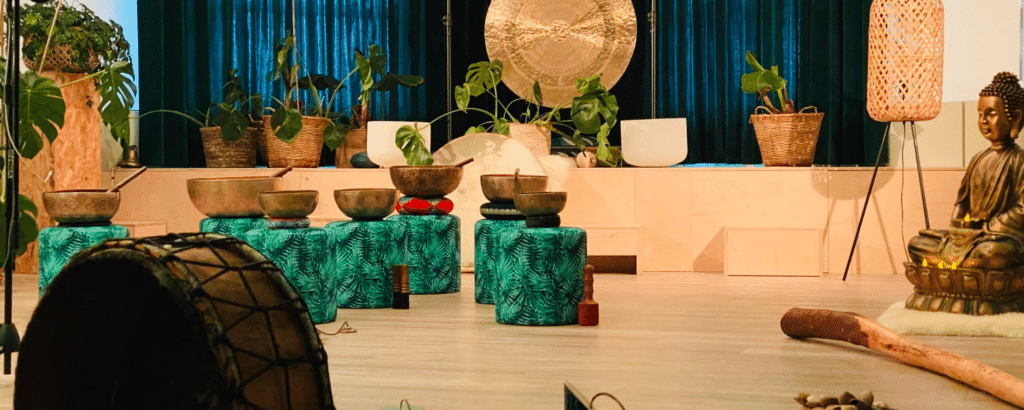
They tried a conch shell, and its peak sat around 290 Hz, too high to excite the room at all. They tried a friction drum, and it only partly worked. The paper explains why: their drum had a base frequency of 109 Hz and the room answered at 114. An Irish frame drum worked best, driving the structure through its harmonics at both frequencies they had measured.
A drum five hertz off left the stone comparatively quiet. That is a useful thing to know about real rooms, and about round numbers.
What it changes
Not the range. Chambers like this resonate somewhere between 95 and 120 Hz, that has been measured in the field, and 114 sits inside it. The authors say as much, calling their result “still within what has been called ‘the megalithic range’.”
What changes is the exactness, and it was that exactness that was most of the appeal. The site held up as the clearest example of a sacred 110 Hz measures four hertz off when someone puts a microphone in it.
Related reading from the journal
- Where 110 Hz comes from – the 1996 field measurements behind the number, and what can and cannot be concluded from them.
- 432 Hz: between fascination and disillusionment – the same pattern, applied to tuning.
References
-
- Debertolis, P., Coimbra, F., & Eneix, L. (2015). Archaeoacoustic analysis of the Ħal Saflieni Hypogeum in Malta. Journal of Anthropology and Archaeology, 3(1), 59-79. doi.org/10.15640/jaa.v3n1a4Main Image
malta-02-oracle-hole_CC-BY-2.0_xiquinhosilva.jpgCaption: The Oracle Hole in the Oracle Chamber, Ħal Saflieni Hypogeum. This is the room where the 2014 measurements were taken. Photo: xiquinhosilva, CC BY 2.0, via Wikimedia Commons.
Second Imagemalta-01-central-chamber_CC-BY-2.0_xiquinhosilva.jpg
Caption: The Central Chamber of the Ħal Saflieni Hypogeum, Malta. Photo: xiquinhosilva, CC BY 2.0, via Wikimedia Commons.
- Debertolis, P., Coimbra, F., & Eneix, L. (2015). Archaeoacoustic analysis of the Ħal Saflieni Hypogeum in Malta. Journal of Anthropology and Archaeology, 3(1), 59-79. doi.org/10.15640/jaa.v3n1a4Main Image