In a cardiorespiratory laboratory in Pavia, twenty-four people listened to six styles of music while researchers tracked their breathing, blood pressure, heart rate and cerebral blood flow. Twelve were practicing musicians, twelve were not. Between the tracks, the researchers inserted two-minute pauses, placed at random.
The pauses produced the strongest effect in this small experiment.
Luciano Bernardi and colleagues report in Heart in 2006 that the pause reduced heart rate, blood pressure and ventilation, and that it did so below the baseline they had established with five minutes of quiet rest before any music played. Their phrasing: this relaxation effect “was even greater than that seen at the end of five minutes of quiet relaxation at baseline.”
This we find interesting. Five minutes of sitting quietly relaxed people less than two minutes of quiet that arrived after music. The difference in perception was what had been playing beforehand.
Silence is not one thing
The explanation the authors offer is that music concentrates attention and the pause then releases it, and the release is where the relaxation happens.
Which means silence has no fixed value. It is not a neutral background that sound interrupts. What a pause does to you depends on what preceded it, and a pause can be restful or it can be unbearable depending entirely on its setup. This study was designed with this in mind.
Why a gap is so hard to leave alone
Set against that, consider how badly we tolerate silence that hasn’t been set up.
In a Dutch laboratory in 2010, researchers showed people a six-minute video of three students talking about relationships. Half the viewers saw a version with four seconds of silence edited into the middle. Afterwards everyone filled in a questionnaire about how they felt.
The people who saw the silent version reported feeling distressed, afraid, hurt and rejected. Their sense of belonging dropped. So did their self-esteem. And they couldn’t tell you why: asked how long the pause had lasted, they gave the same answer as the group who had seen no pause at all.
Four seconds was chosen deliberately. Namkje Koudenburg, Tom Postmes and Ernestine Gordijn ran a pilot testing 2.5, 4 and 6 seconds, looking for the length that would sit below conscious notice while still doing something. Four was long enough to change how people felt and short enough that they couldn’t report it had happened.
Their explanation is that fluent conversation carries a running signal that things are fine, that you belong, that your opinion is shared. When the flow breaks the signal stops, and something older takes over. A gap in a group is read as exclusion before any evidence arrives, which is not irrational: for most of human history, being left out of the talk around you was information worth reacting to quickly.
The machinery involved is fast. A study across ten languages, from Danish to Japanese to Tzeltal, published in PNAS in 2009, found that the gap between one speaker finishing and the next beginning clusters in the same narrow band everywhere, with most turns starting within about 200 milliseconds. Every language studied avoids overlap and minimises the silence between turns. Two hundred milliseconds is faster than it takes to plan a sentence, so people aren’t waiting for a turn to end and then responding; they’re predicting the ending and preparing while still listening.
Silence for relaxation
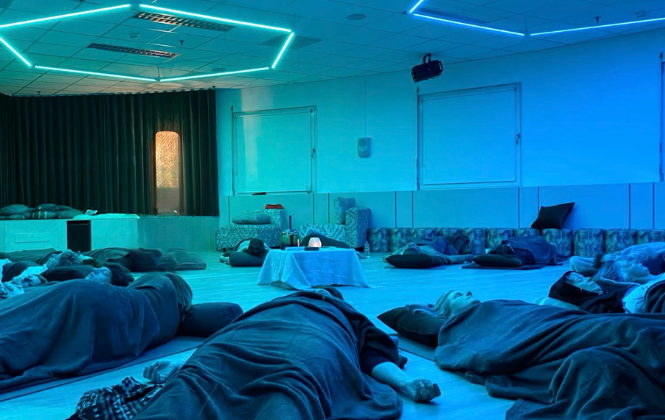
Most of us fill an empty room as automatically as we fill a pause in talk. Something goes on: a playlist, a podcast, a television nobody is watching, white noise for sleeping. But it’s interesting to experiment with listening to something (whatever it is) and then take a silent break to see whether the relaxation described in the Pavia study happens. Try it with your favourite music or sound, but also with a podcast, or something crazy.
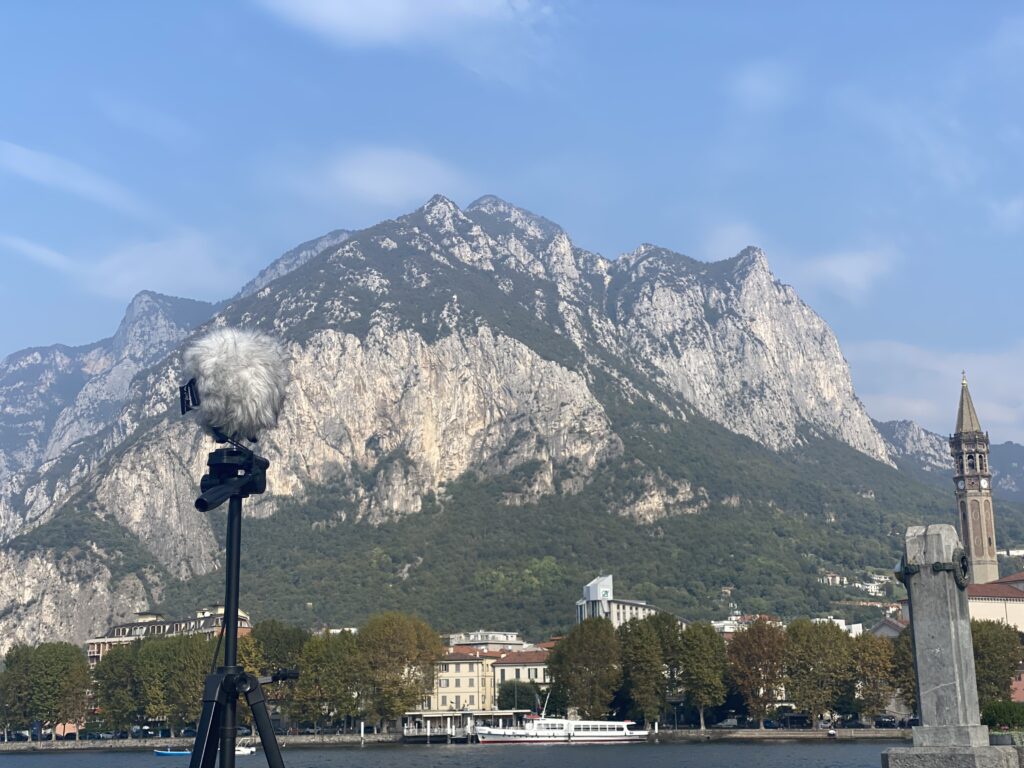
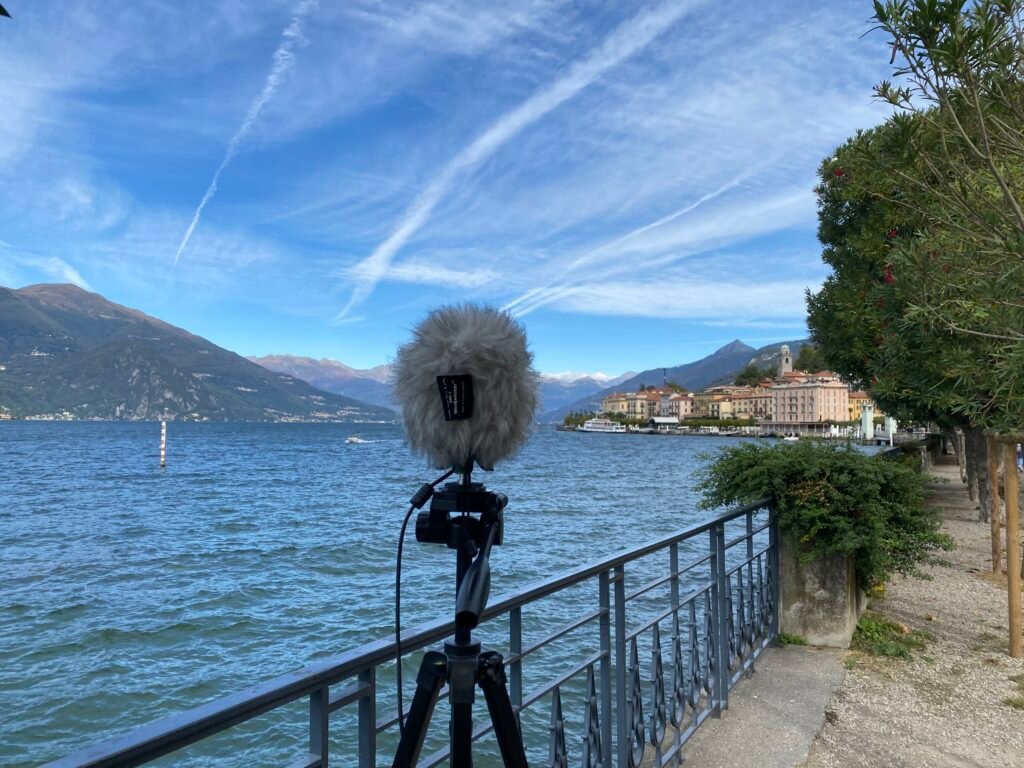
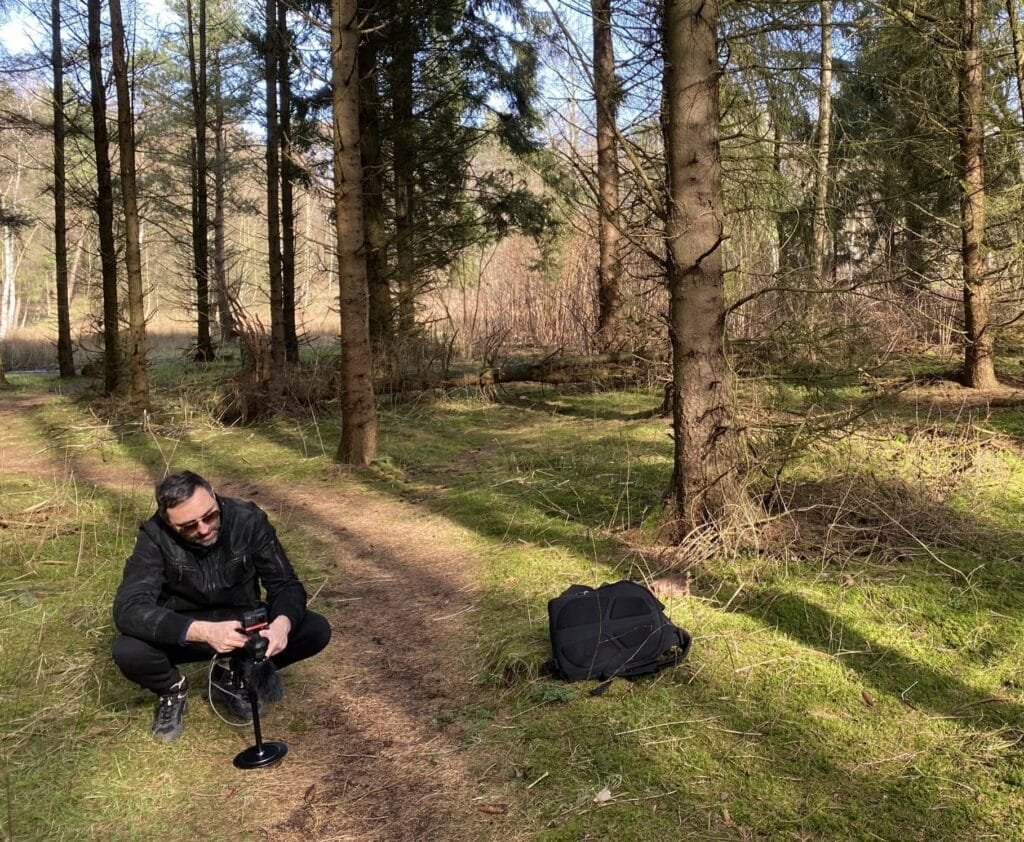
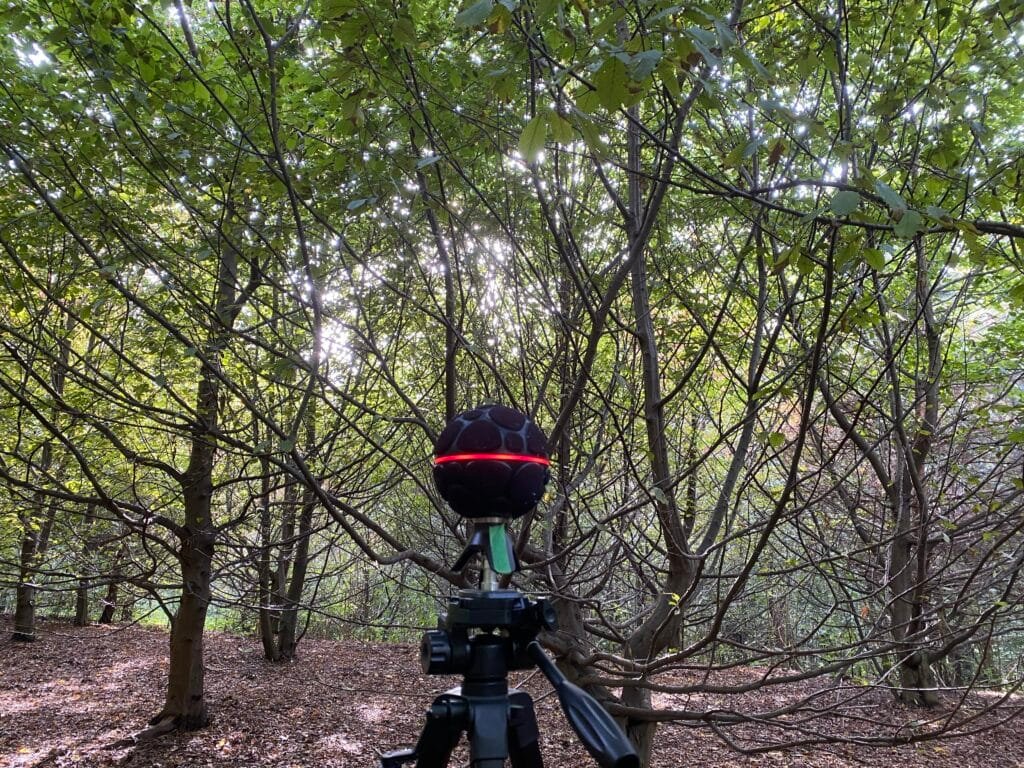
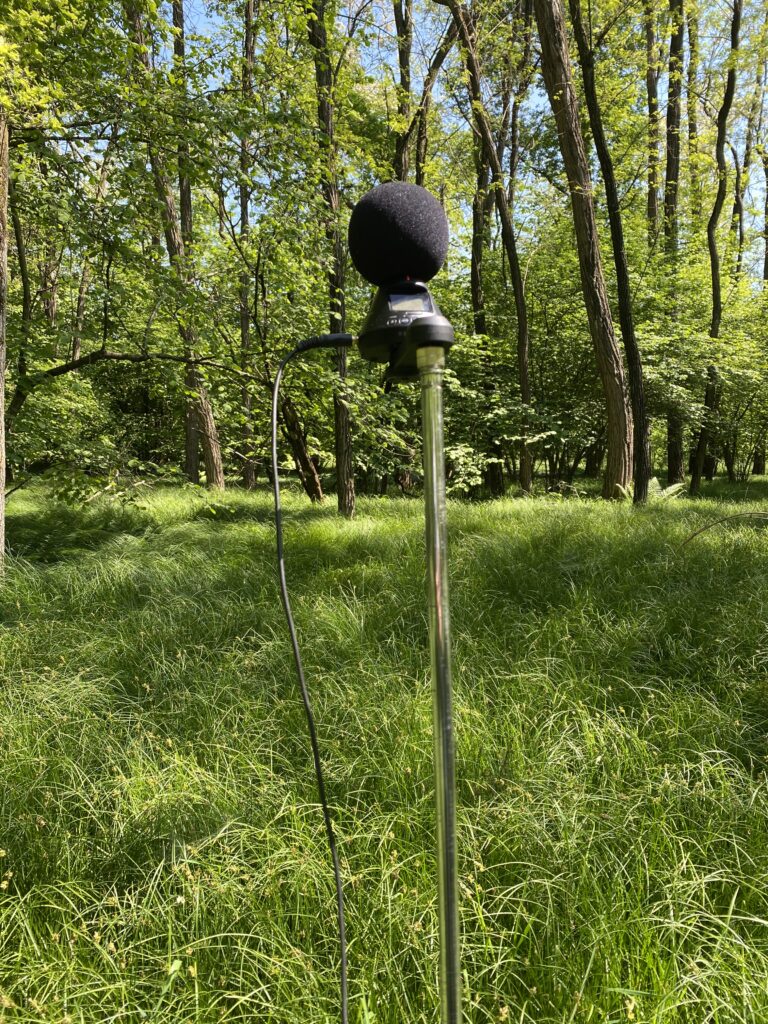
And it’s also good for us as Flower of Sound to know what happens with the quiet inside our recordings, inside a human brain. When we record for Sounding Nature, what we capture is a real place over real time, and the quiet stretches come naturally with it: the pause between one bird and the next, the distance before a sound arrives, the minute when very little happens.
Related reading from the journal
- Searching for silence – how hard genuine quiet has become to find, from the recording side.
- Health effects of noise pollution – what constant sound does when there is no pause in it.
- Modern well-being through sound – our broader case for silence as part of wellbeing.
- The new language of listening – listening as something practised rather than received.
References
- Bernardi, L., Porta, C., & Sleight, P. (2006). Cardiovascular, cerebrovascular, and respiratory changes induced by different types of music in musicians and non-musicians: the importance of silence. Heart, 92(4), 445-452. doi.org/10.1136/hrt.2005.064600
- Koudenburg, N., Postmes, T., & Gordijn, E. H. (2011). Disrupting the flow: How brief silences in group conversations affect social needs. Journal of Experimental Social Psychology, 47(2), 512-515. doi.org/10.1016/j.jesp.2010.12.006
- Stivers, T., Enfield, N. J., Brown, P., et al. (2009). Universals and cultural variation in turn-taking in conversation. Proceedings of the National Academy of Sciences, 106(26), 10587-10592. doi.org/10.1073/pnas.0903616106