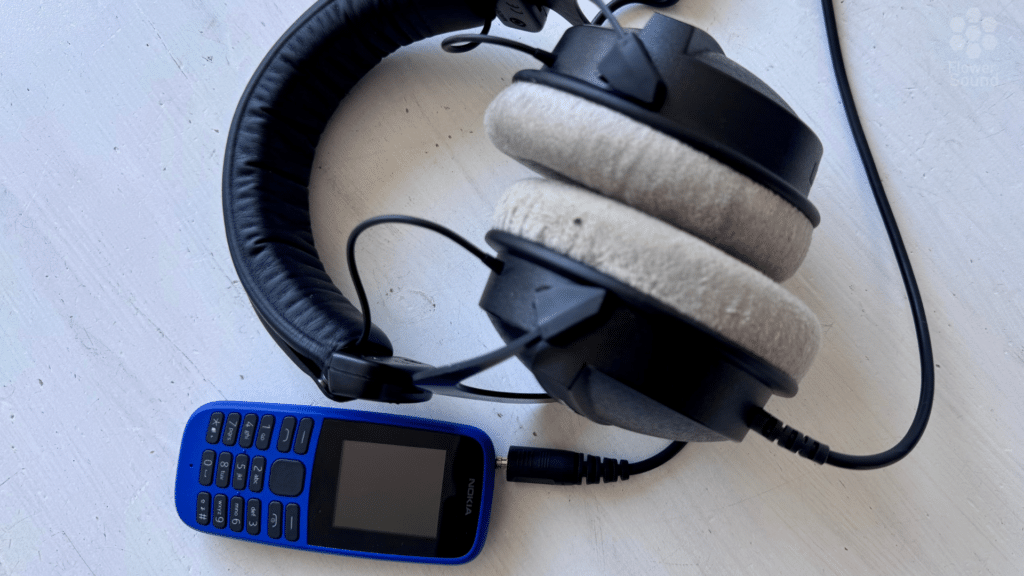
Why the comeback of Dumb Phones? Dumb phones offer relief. No dopamine loops, no infinite scroll, just simplicity. And here’s where owning your files becomes critical: these devices don’t stream. If you want music, you have to load it manually. Your offline library becomes a curated world of your own, untouchable by trends or terms of service.
This movement mirrors the rise of MP3 players and other “post-smart” devices: tools designed not for distraction but for intentionality. And for them to work, you need to own your sound.
Sovereignty
What we’re witnessing isn’t a rejection of technology, but a more thoughtful integration of it. The younger generation isn’t running backwards. They’re choosing sovereignty. Sovereignty over their time, their devices, and most of all, their sound.
When you own your files, you own your experience. You’re not just a passive consumer in a feedback loop. Whether you’re winding down after a long day, preparing for deep focus, or decompressing from sensory overload, offline listening empowers you to listen without compromise.
And as more artists, developers, and creators embrace formats that prioritize autonomy, the future of music may not be louder or faster. It may just be slower, deeper, and truly yours.
Further Reading & Sources
Windows Central – Buying Music vs. Streaming
Reuters – Brick phones will ring an unlikely revival
The Guardian – The boring phone stressed out gen-z ditch smartphones for dumbphones
Missed the earlier posts? Catch up here:
→ Part 1: The Power of Owning Your Sound: Why Offline Listening Matters Part 1
→ Part 2: Why Offline Listening Is Becoming a Movement
Related reading from the journal
- How to Build Your Own Binaural Music Library on Your Phone and Computer – the practical setup for keeping and playing downloaded files on your phone and computer.
- Coming Full Circle with Owning Sound Part 2 – rebuilding a collection, and why compressed streams lose quality.