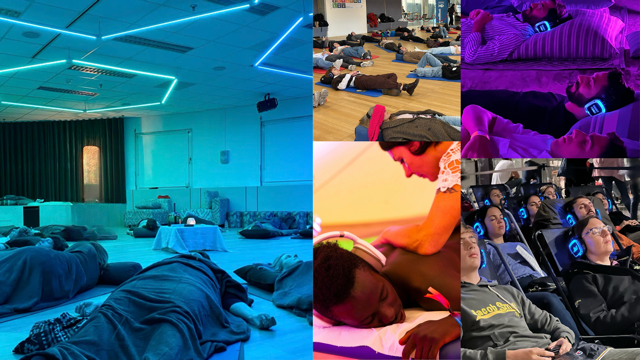
A quiet room has become something hotel guests will pay more for. The hotel industry even has a name for it now: hushpitality.
We came across the term in Hilton’s 2026 trends report, which frames quiet as the premium amenity, silence sold as part of the stay. The demand behind the label is real, and it is measured. The report is based on an Ipsos survey of 14,009 travelers across 14 countries, and 56% named rest and recovery as their main reason for traveling at all. In a separate Morning Consult U.S. survey from August 2025, 57% said they were interested in a quiet or silent retreat and 53% in a reading retreat. People are not only trying to escape noise. They are actively looking for quiet, for stillness, for a break from their devices and from themselves, and hotels have noticed.
At Flower of Sound we record nature sounds, the kind of quiet these guests are looking for, so we read this trend a little differently. For us, a silent room is not the same as a calm one. Making a room quiet is an acoustic problem, and the design world is working hard on it. What a guest actually hears once the noise is gone is a different question, and as far as we can tell, hardly anyone in hospitality is really talking about it yet.
The design press has the acoustics covered
The 2026 spa-design coverage is genuinely good on the physical side. Following Global Wellness Institute guidance, it describes sound-absorbing architecture, softer furnishings, and acoustic zoning so one treatment room does not leak into the next. These are the right moves, and they lower the noise floor, which is where any sense of calm has to start. What the coverage does not answer is what should fill the room once it is quiet, and that is the question a guest’s nervous system actually responds to.
A quiet room is never really silent
Take the noise away and a room is still not silent. It fills, quickly, with other sounds: air conditioning, a lift, a door down the corridor. And true silence would not be the answer even if you could reach it. In an anechoic chamber, the quietest kind of room ever built, most people cannot last long. Without the ordinary hum of the world you start to hear your own body, you lose your sense of space, and it becomes deeply unsettling. What a guest wants is not the absence of sound but the presence of the right one.
What you choose to fill a room with matters, because different sound moves the body in different directions. A synthesis of 36 studies in PNAS (Buxton et al., 2021) found natural soundscapes cut stress markers by 28% compared with silence, with water sounds the most reliable. More recent work points the same way: a 2025 study in Scientific Reports found forest soundscapes improved mood, restoration and cognition relative to industrial ones. The takeaway is not that any sound will do. It is that the right sound gives a quiet room somewhere to settle.
Recorded with intention, not licensed by the hour
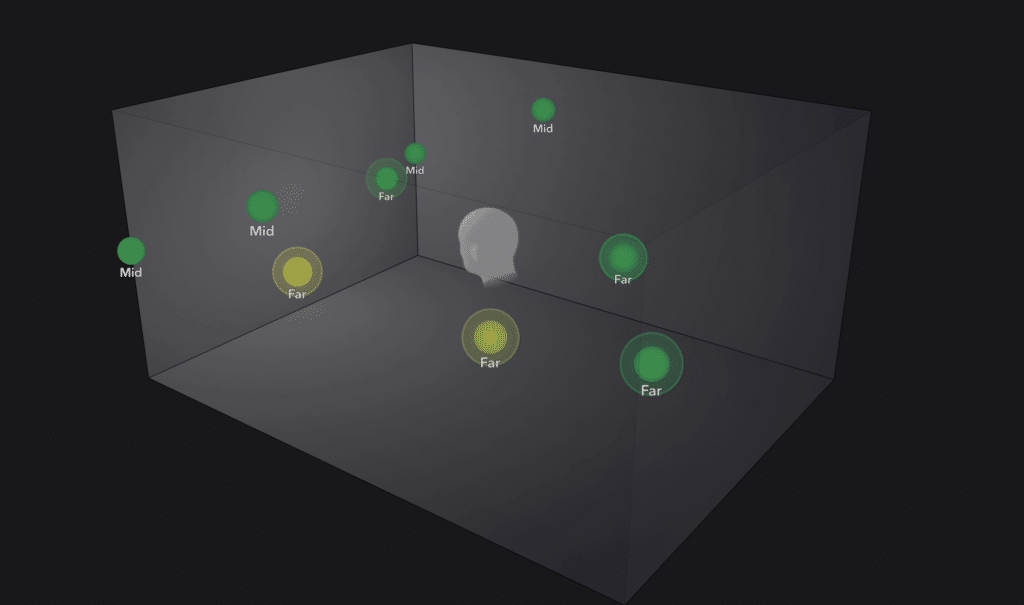
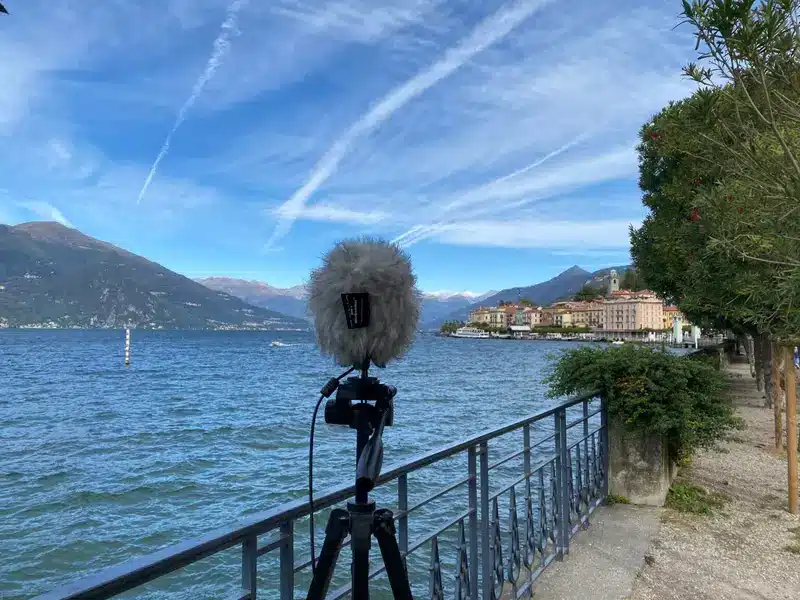
Most hotels reach for a playlist to fill the gap, or guests put on their own. And a curated streaming playlist and a real spatial recording are not the same thing. One is licensed background, usually stereo, usually compressed, assembled to be inoffensive. The other is recorded with intention: captured in real nature, in three-dimensional spatial audio, so it feels less like something playing in the room and more like being somewhere.
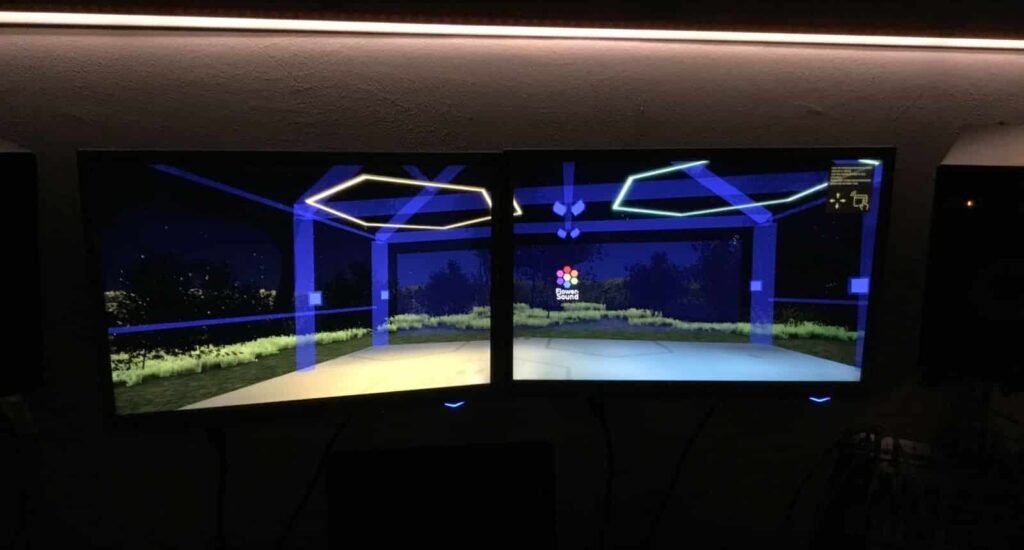
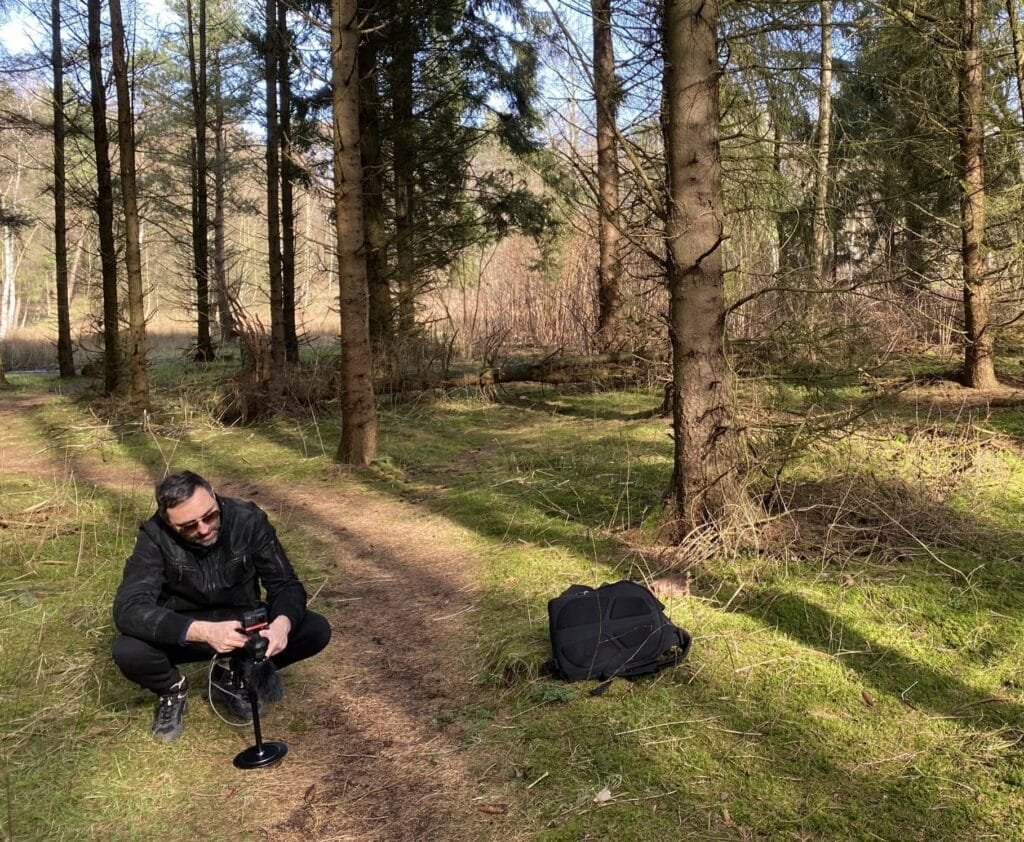
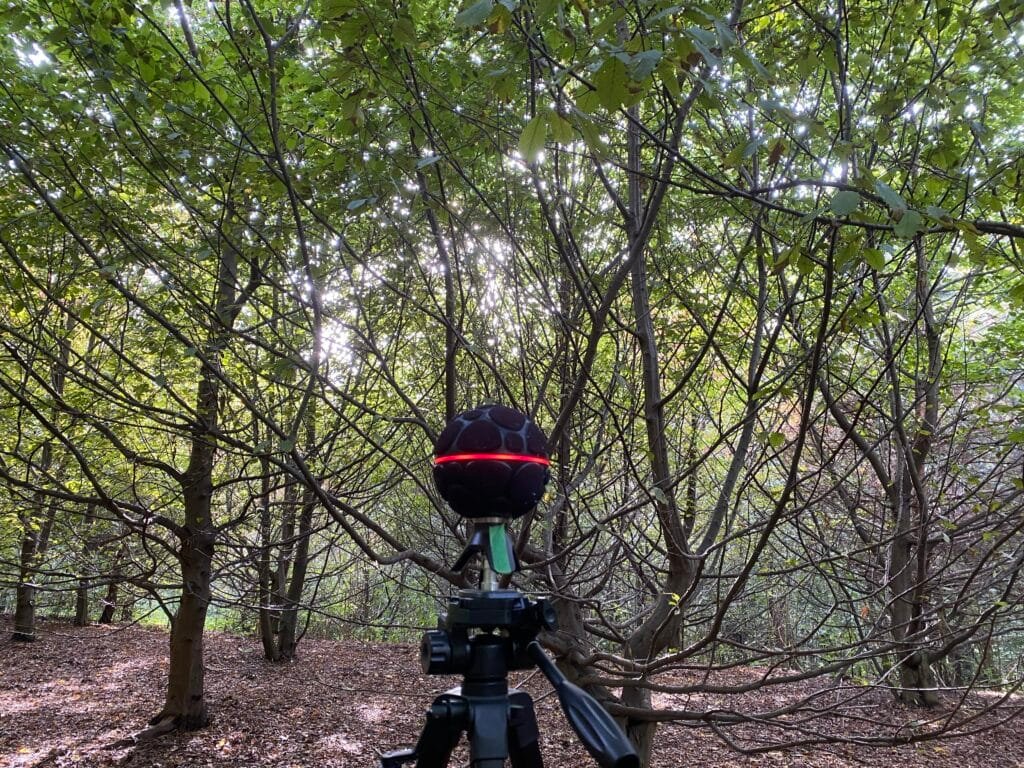
The spatial recordings we work from are our own. Our Sounding Nature catalogue, which includes releases like Rain & Thunder, is captured on location in 3D audio, which is why a forest reads as a forest with depth and direction rather than a loop of birdsong sitting flat behind you. That extra dimension is what lets a guest actually drop into the quiet, instead of half-hearing the same lobby-and-lift wallpaper of sound they get everywhere else. It is the part a hotel cannot download from a stock library.

Why this is the sound side of the same trend
None of this argues against acoustic design. It completes it. A guest who books a quiet room is really booking a feeling, and the acoustics and the sound in the room deliver that feeling together. The panels remove the intrusion; the recording gives the silence somewhere to be. Get the first right and skip the second, and you have built an expensive silence that still sounds like nowhere.
If you are sound-sensitive the way I am, you already know the feeling: a hotel room that is meant to be restful, undone by the hum of the air conditioning, the lift beyond the wall, the fridge cycling on at night. So it is genuinely encouraging to see the industry give quiet an official name and start taking it seriously.
What we find most interesting is where the trend goes next, because right now it is mostly about removing sound. We are curious to see whether it moves further in our direction, toward what actually fills the quiet once it is made. That is the side we have spent years on, it is what we are developing for spaces, and we would love to see what our Sounding Nature recordings can add for the hotels that want to do this properly.
Related reading from the journal
- Searching for Silence – why real silence is so hard to find.
- The Envelop Series: streaming platforms meet the boutique – what compression and streaming do to spatial sound.
- Noise is the new smoking – why everyday noise is a health cost, not just an annoyance.
- Health Effects of Noise Pollution – what chronic noise does to sleep, stress, and the body.
- Your brain on nature sounds – the research behind why natural soundscapes calm the body.
References
- Buxton, R. T., et al. (2021). A synthesis of health benefits of natural sounds. PNAS, 118(14), e2013097118. doi.org/10.1073/pnas.2013097118 – 36-study synthesis; natural soundscapes reduced stress markers by 28% versus silence, water sounds most reliable.
- Scientific Reports (2025). Forest soundscapes improve mood, restoration and cognition, but not physiological stress or immunity, relative to industrial soundscapes. Scientific Reports, 15. nature.com/articles/s41598-025-11469-x – a sound-only study; note the honest limit that physiological stress markers did not shift.
- Hilton (2026). 2026 Trends Report: Hushpitality, seeking sweet silence. stories.hilton.com · methodology – 14,009-respondent Ipsos survey (June 9-30 2025); 56% rest-and-recovery from Hilton Global Research; retreat figures from a separate Morning Consult U.S. survey, August 2025.
- Global Wellness Institute (2026). Wellness Tourism and Music for Health & Wellbeing Initiative Trends 2026. globalwellnessinstitute.org – the authority behind the 2026 acoustic-wellness trend. Cited for the design trend only.