We are a music tech company. We work with technology, and we also work with AI. It would be strange to pretend otherwise. At the same time, our catalog is human-made. Feet in the mud and recorded at real-life locations. Because there is so much discussion about where to use AI, and also transparency about what we use AI for, we thought it was a good thing to show you.
AI-use
We use AI to help write code. It gets us to better software faster than we managed before. We also use it to edit text. Neither of us is a native English speaker, and AI helps our English read the way our Dutch and Italian sound in our heads. It has made us faster and most of all clearer. We use it to analyze numbers, set things up, and cross-check our own catalog. When we look for an image for an article, we search a library of photographs we took ourselves, and AI helps us find the right one in it. A human still chooses. A human puts the article on the website, writes the metadata, picks the category etc.
NO-AI
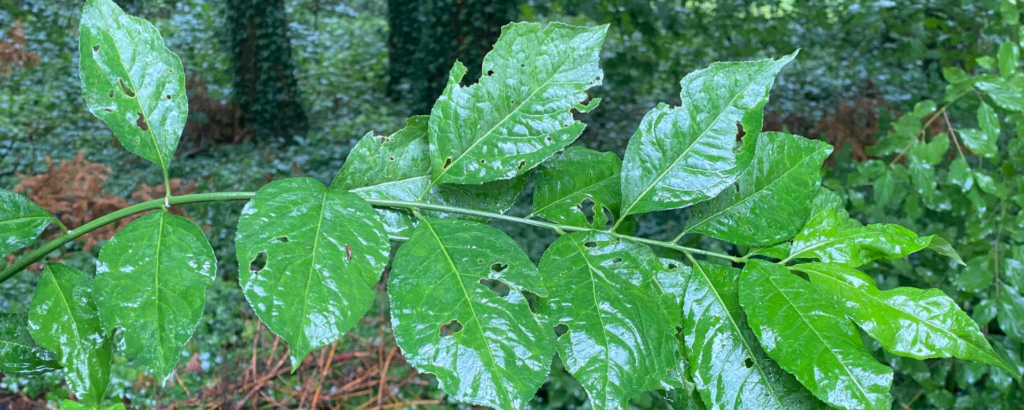
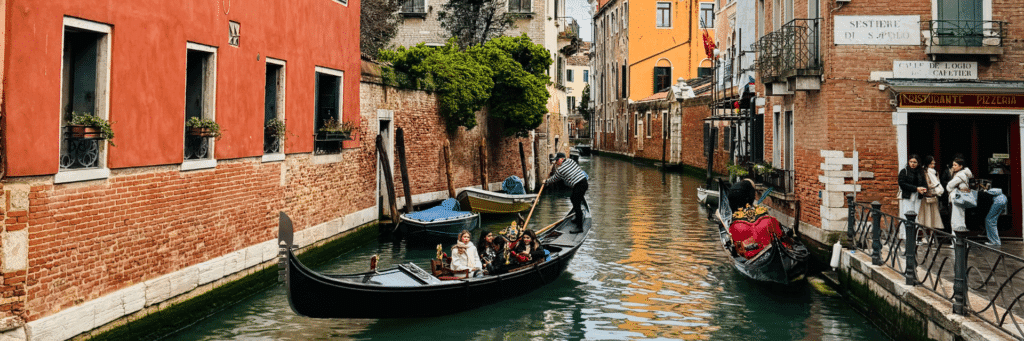
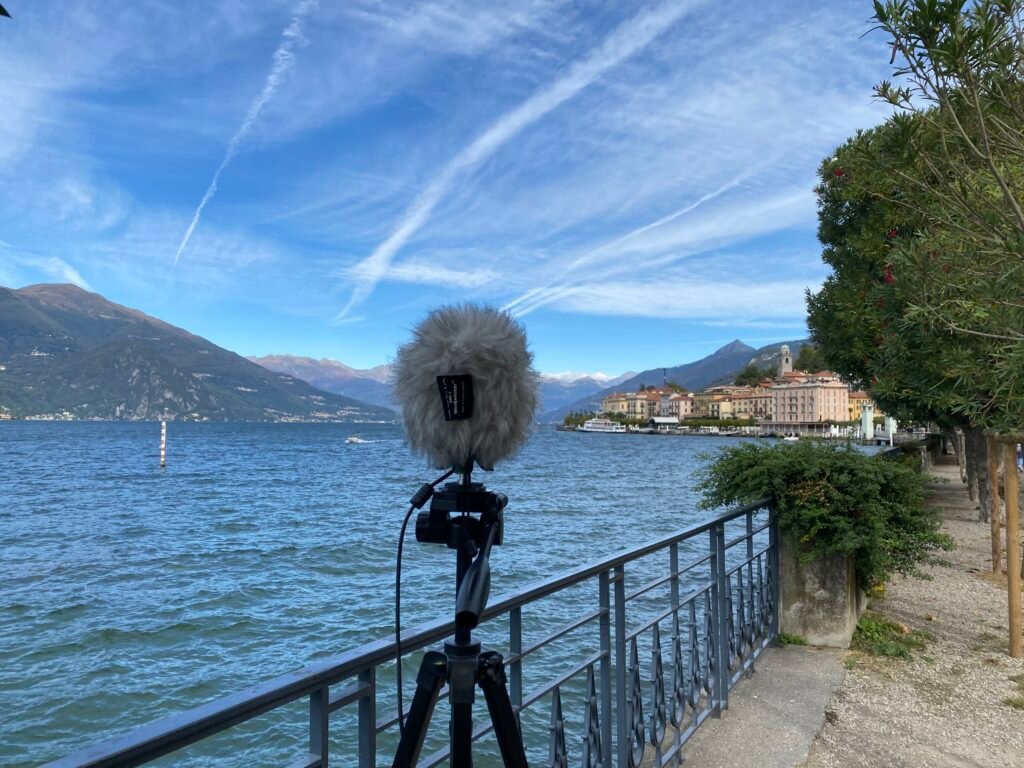
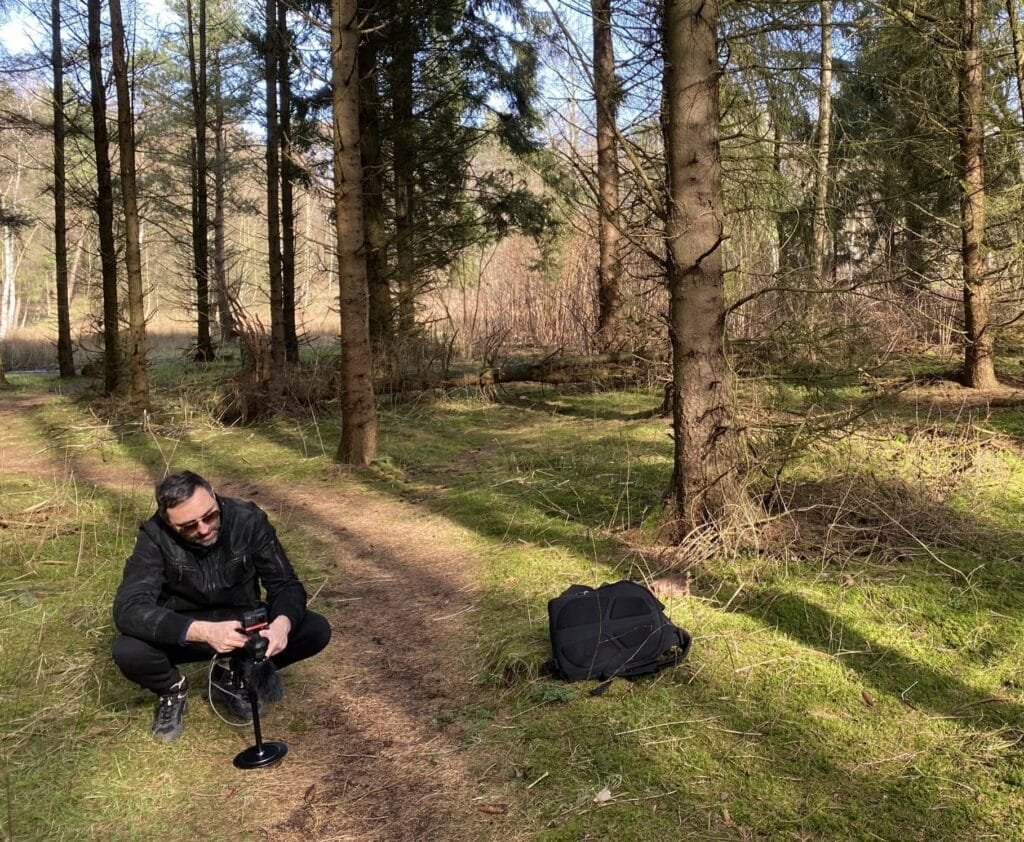
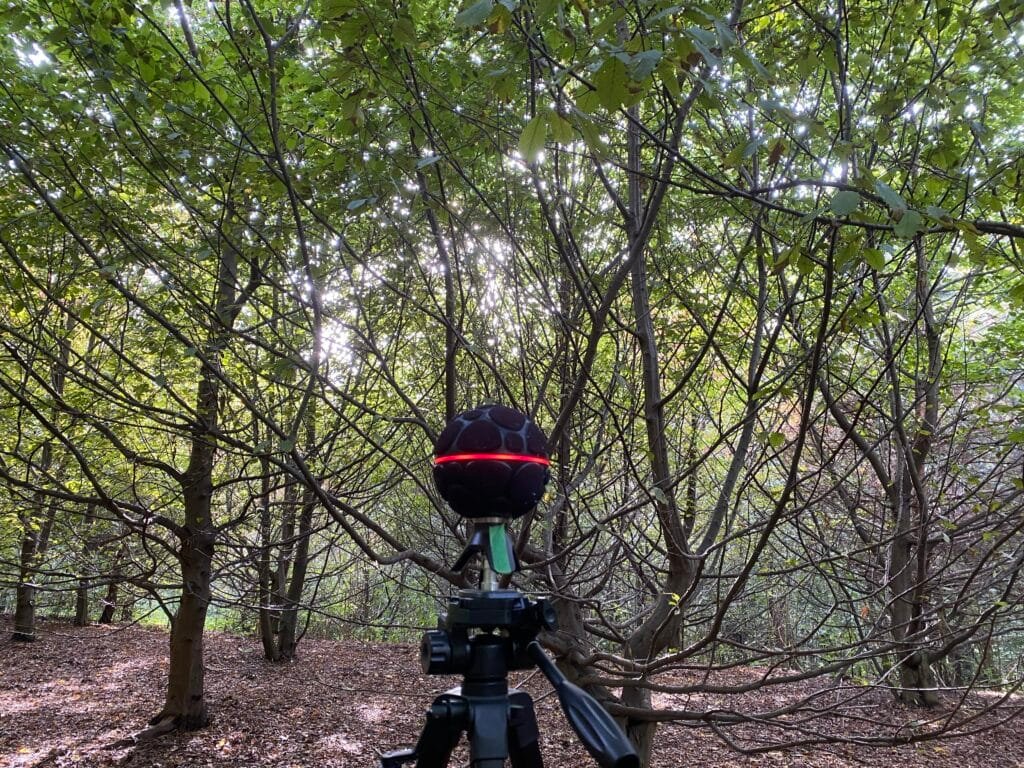
We record the field recordings. Nature and cities both: a real place, a real moment, microphones we carried there ourselves. Val Masino, Kyoto, Amsterdam, Lake Como. Someone stood or walked there and waited for the sound. No AI anywhere in it.
The compositions are composed and played by us.
The video is filmed. We do use AI in the edit, for the unglamorous parts: flickering that has to come out, exposure that went wrong in the moment, some artifact that has no business being there. It repairs problems in the footage. It doesn’t add anything that wasn’t in front of the lens, and it doesn’t change what happened.
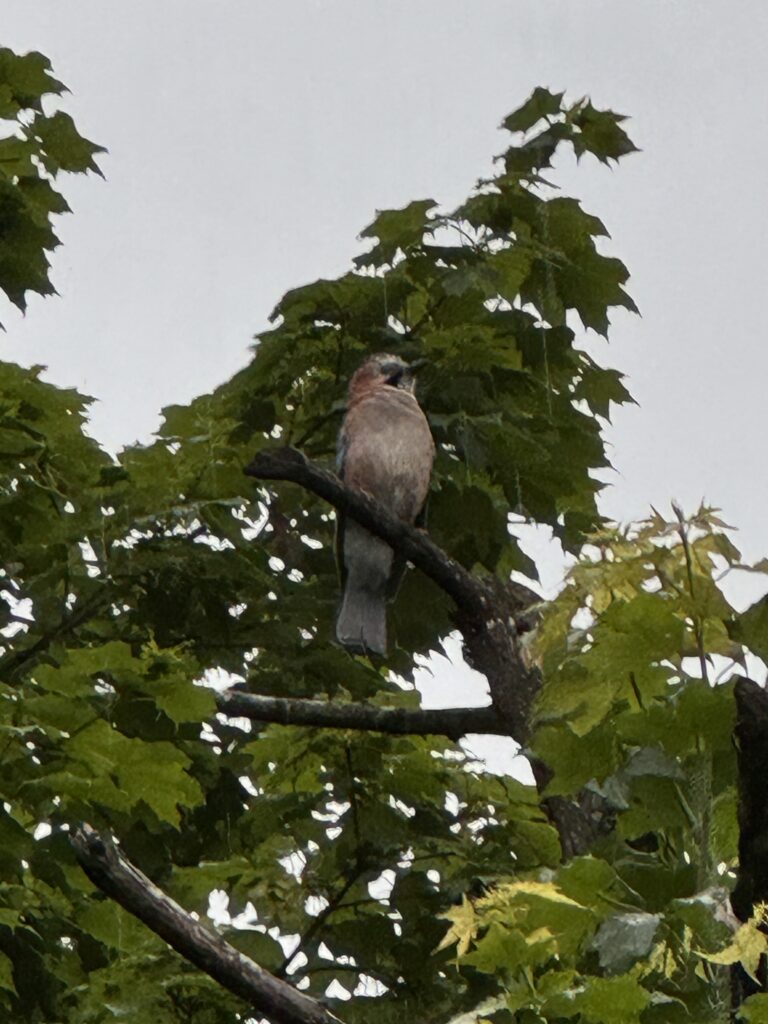
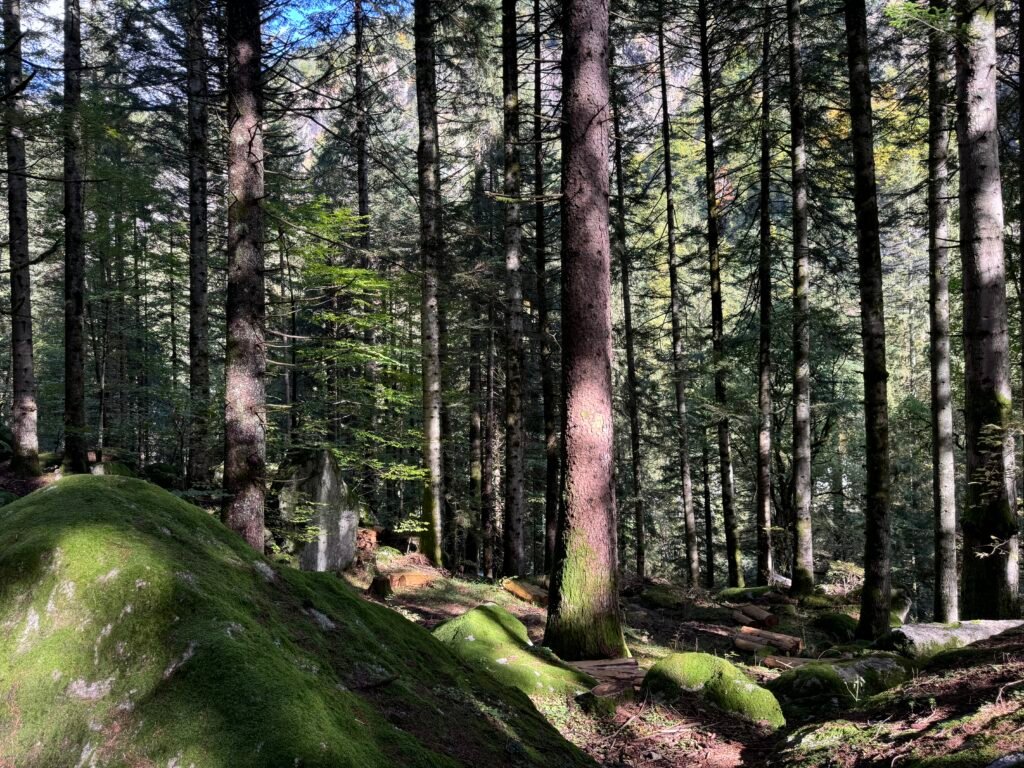
The photographs are ours. Taken by us, in the places we went.
The ideas and words start with us. Not just the topics and the opinions, though those are certainly ours. The base text is written or spoken by us first, and AI works on something that already exists.
The thinking is ours. What we find interesting, what we consider worth writing about, what we disagree with. Nobody prompts that.
Everything that passes through AI gets heavily checked, edited and cross-checked against our own rules before it goes anywhere.
AI-assisted
There is a real grey area, and it is called AI-assisted. Rather than describe it, here is this article.
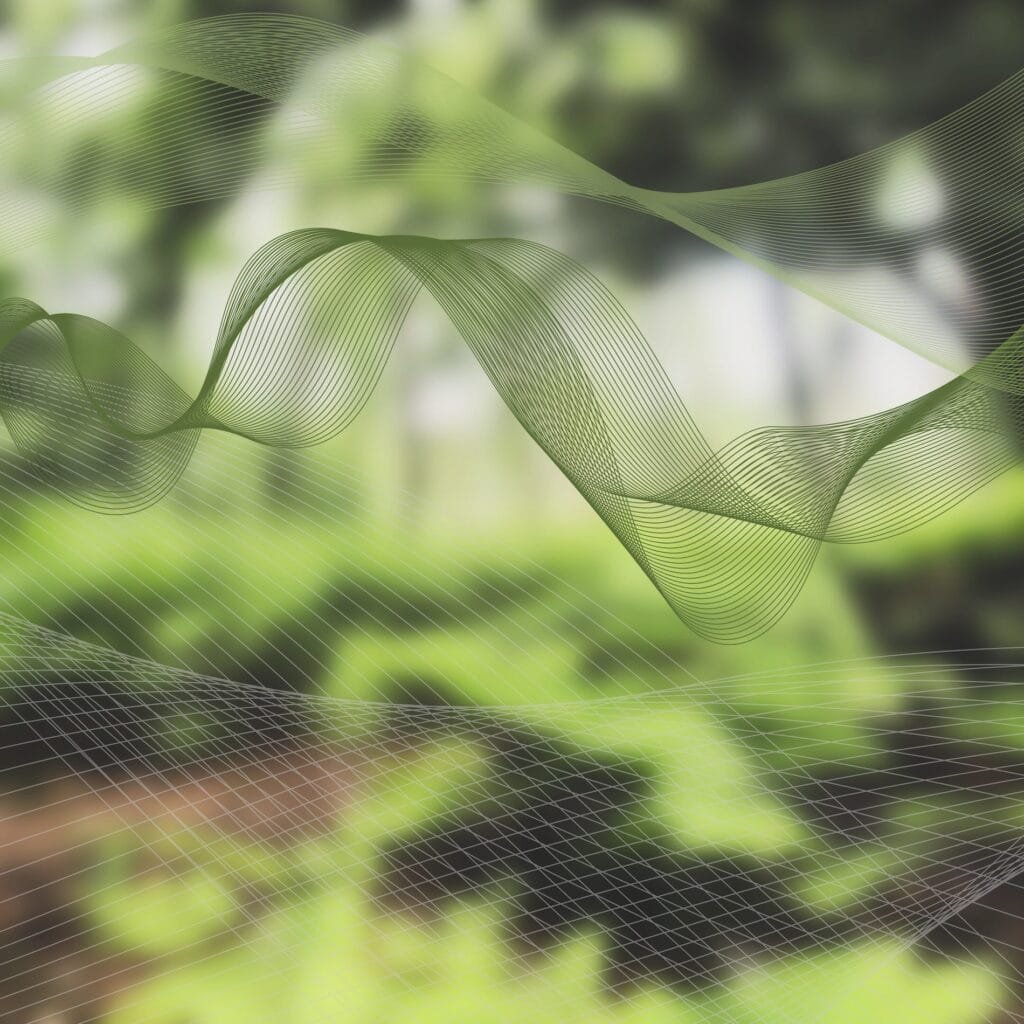
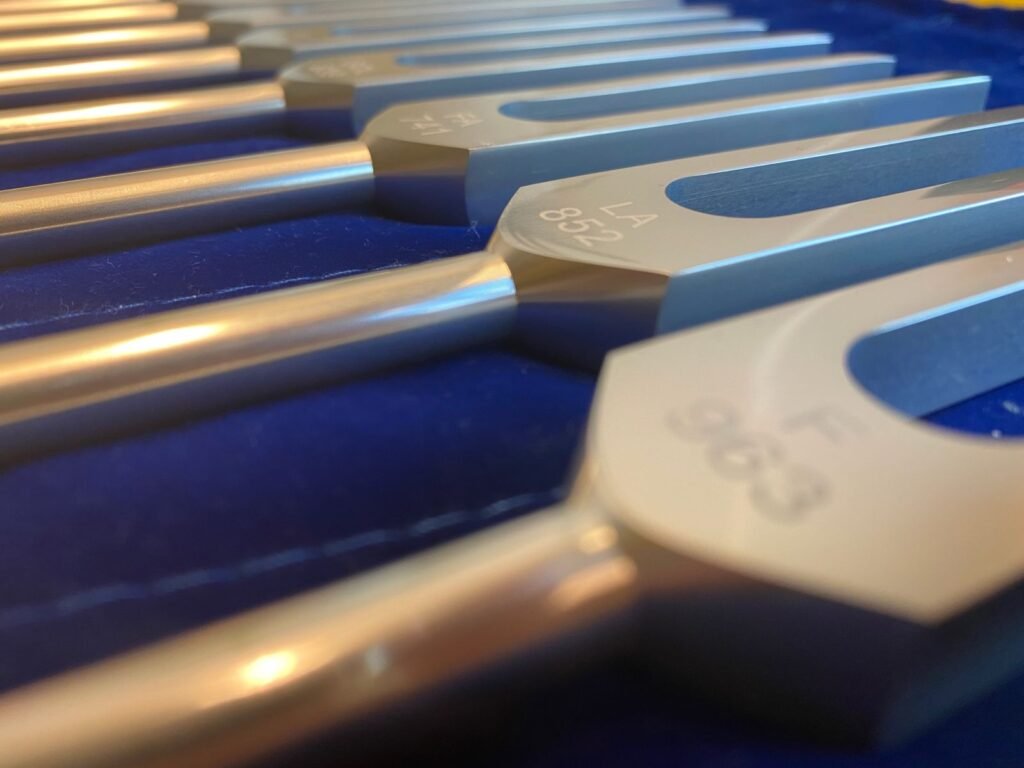
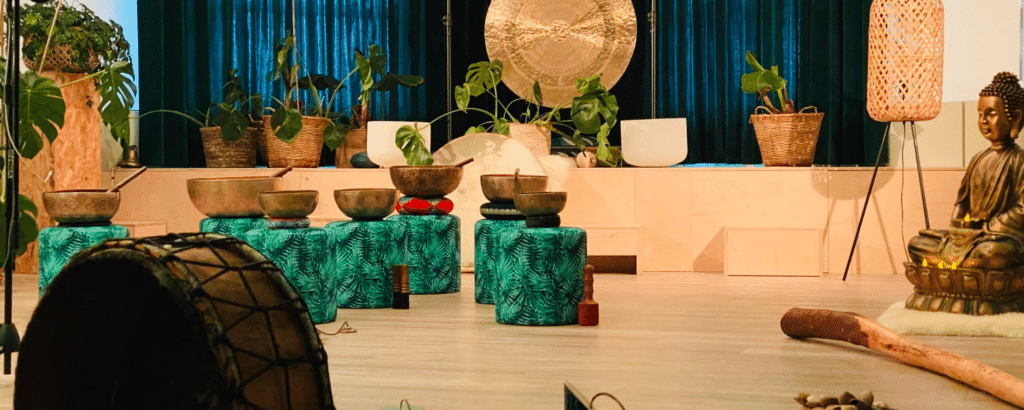
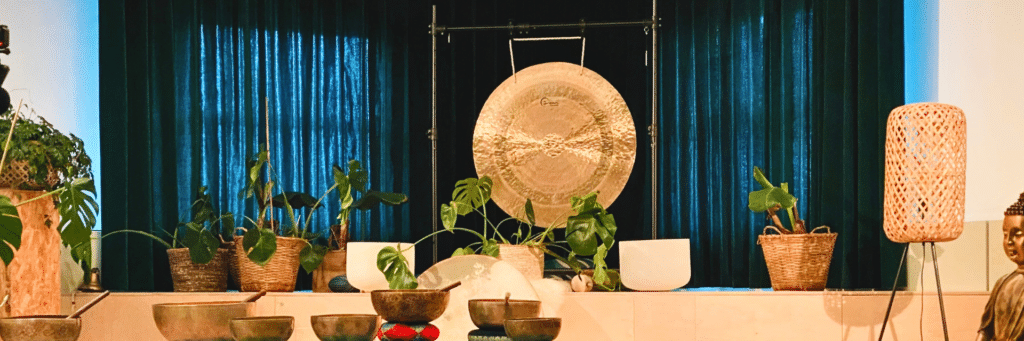
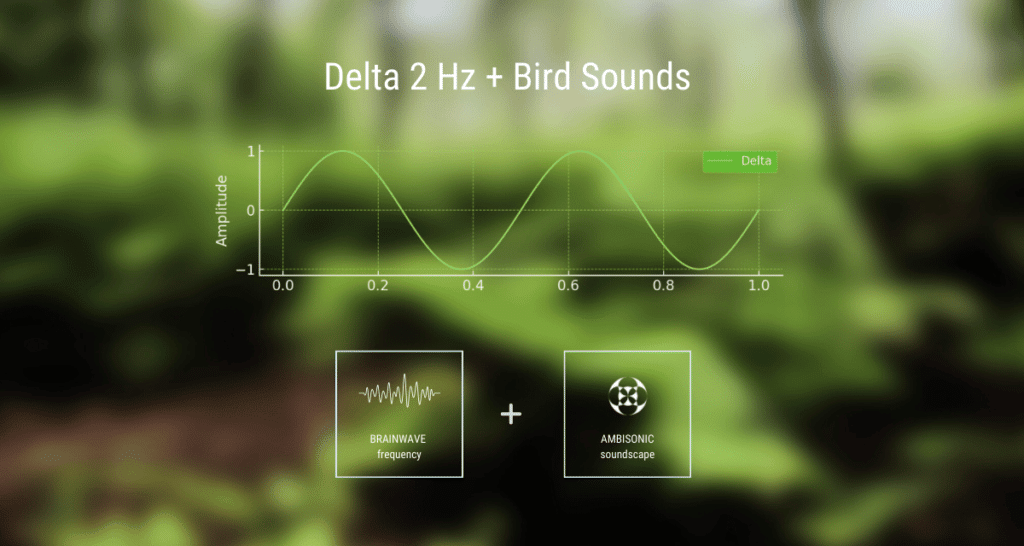
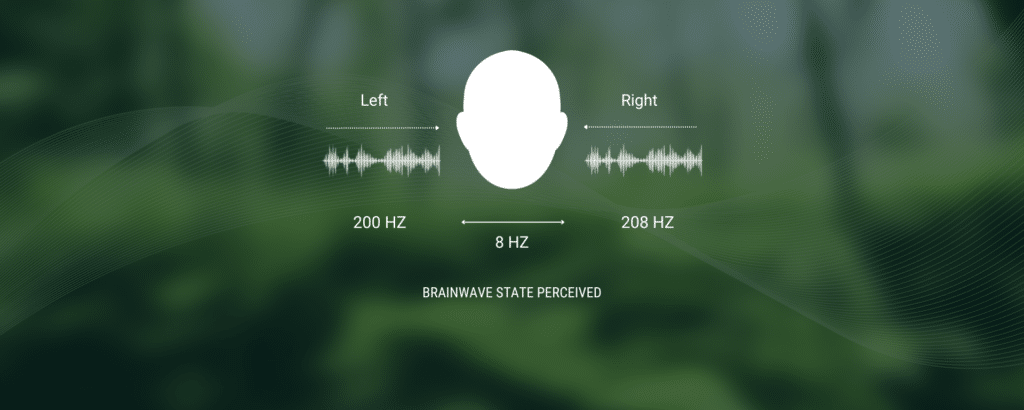
It started as me talking out loud. That was transcribed. Then I edited it by hand. Then AI edited it. Then it was checked against all the rules we have written for how we want to write. Then I read it and edited again to make sure it was still properly mine. The image beside it came from our own catalog, found with AI help, chosen by me. I uploaded it, I wrote the metadata. That is a lot of steps, and only one of them is “AI wrote something”. This is what most work looks like now, and it does not fit neatly into either box.
Meanwhile, in the music, there is no AI at all.
New rules and AI-stamps
On 2 August, the transparency obligations of the European AI Act started applying. Article 50 requires AI-generated content to be marked in a machine-readable way and detectable as artificially generated or manipulated. We updated our legal documents for it. Also, all major AIs mark text and images as AI-generated. Unfortunately, for many creators, it applies 1 general stamp. So removing just the background is an AI stamp; just checking for spelling errors is the same AI stamp as generating an article from 1 prompt and publishing it. The marks/stamps are invisible to a reader. We are in favor of them. Whether something is human-made or machine-made matters, and a signal is better than nothing. For full transparency, the stamps should be more sophisticated.
Why we care about this at all
The core is authenticity. We want the work to be genuine, not slop. A bit different, a bit punky, a bit rebellious, and rooted in an actual culture and an actual place. This takes human creativity. There is no prompt for the decision to go somewhere at an inconvenient hour because that is when the sound is there, or to keep something imperfect in a recording because it was honestly part of the moment. AI helps us get there faster and make more.
Holding on to that creativity is the harder part, and it is the thing we are most deliberate about. It means thinking for ourselves, staying critical, checking things, disagreeing when something feels wrong even when the machine sounds confident. It means remembering how to do the work, not only how to ask for it. That capacity fades quietly if you stop using it, and it is the one thing we cannot outsource, because it is the whole reason the work is worth anything.
Sound is our core
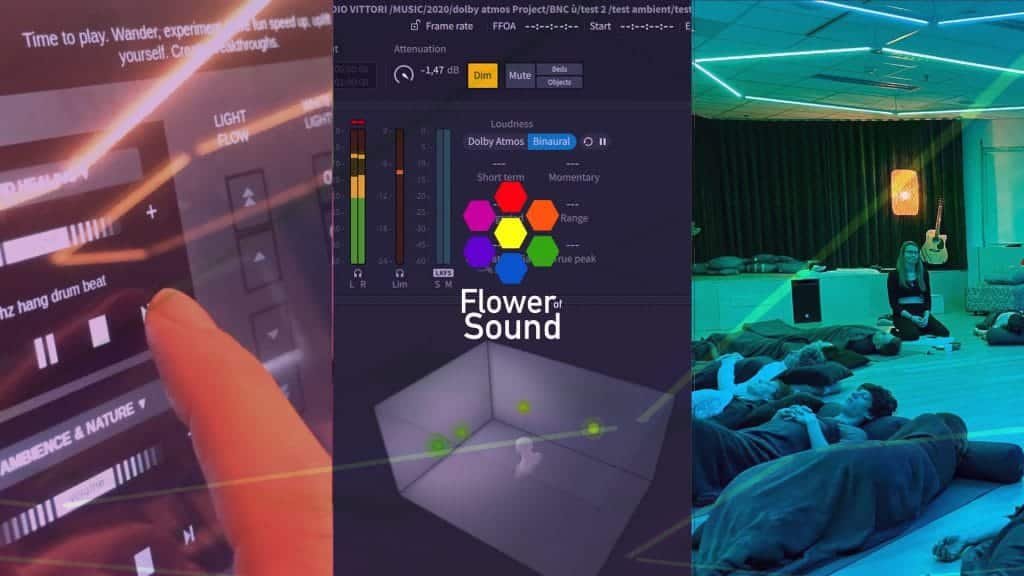
If we ever release generative AI audio, we will say so, loudly and specifically. We are not ruling it out forever. We are ruling out doing it quietly. And the good thing is that AI right now is helping us make our more than 1,000-minute Sounding Nature catalog accessible.
References
- European Parliament and Council (2024). Regulation (EU) 2024/1689 laying down harmonised rules on artificial intelligence (Artificial Intelligence Act), 13 June 2024. Article 50, Transparency Obligations for Providers and Deployers of Certain AI Systems. eur-lex.europa.eu/eli/reg/2024/1689/oj/eng
- European Commission (2026). Guidelines on transparency obligations for providers and deployers of certain AI systems. digital-strategy.ec.europa.eu/en/policies/guidelines-ai-transparency-obligations